The Ultimate Used Car Buying Guide for 2026: How to Avoid Costly Mistakes
53% of car buyers plan to switch brands in 2026. Used car prices are stabilizing, but scams and costly mistakes are everywhere. Here is how to buy a used car with confidence.
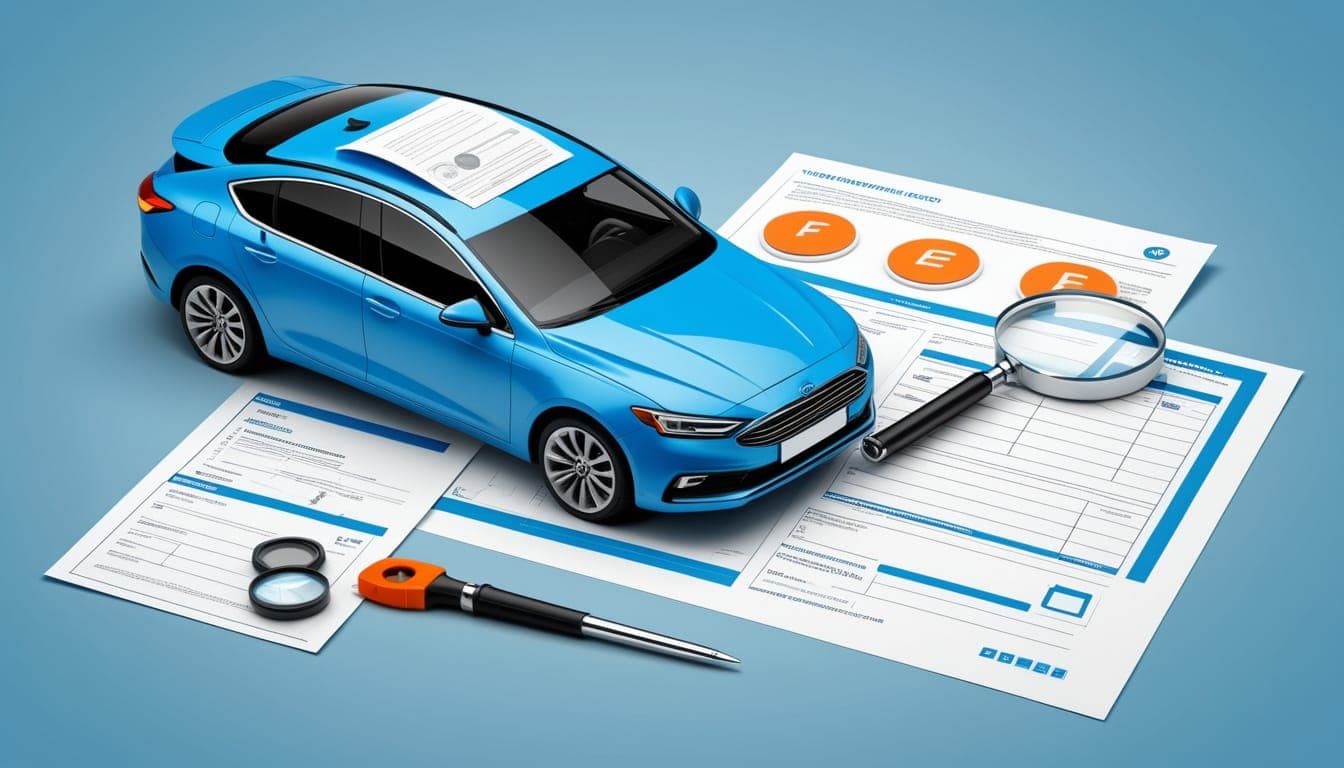
A clean infographic-style image showing a used car buying checklist with a magnifying glass over a car, paperwork, and diagnostic tools
The Ultimate Used Car Buying Guide for 2026: How to Avoid Costly Mistakes
You have found a used car that looks perfect. The price is right. The photos are stunning. The seller seems honest. You are ready to hand over your hard-earned money.
Do not do it. Not yet.
A 2026 survey found that buyers who skip basic due diligence end up paying for it. Nearly six in 10 used car buyers who experienced issues found problems within three months of purchase. A quarter of them spent more than $3,000 on repairs within two years. A $14.99 vehicle history report or a $150 pre-purchase inspection could have prevented most of those headaches.
This guide will walk you through every step of the used car buying process. We have analyzed the latest data from Consumer Reports, Kelley Blue Book, Edmunds, CARFAX, and industry experts to give you the most current and practical advice for 2026. No fluff. No guesswork. Just a clear, confident path to a smart purchase.
The 2026 Used Car Market: What You Need to Know
The used car market in 2026 is different from what it was just a few years ago. Understanding the current landscape is the first step to making a smart purchase.
Prices have stabilized. The average used car sold for $27,028 in July 2026, exactly $1 higher than June's figure. Prices have plateaued after years of volatility. Dealers are rebuilding inventory, with the average dealer now having a 46-day supply of used cars. This means more options for buyers and less pressure to overpay.
However, affordability remains the #1 concern. Inflation and high interest rates continue to strain household budgets. 54% of Canadian drivers say vehicle expenses exceed what they can afford. This is driving more buyers to the used market, especially for fuel-efficient vehicles.
The "nearly new" sweet spot is where the action is. Sales of used cars 2 years old or younger jumped 24% year-over-year in early 2026. These vehicles offer significant savings compared to new cars while still having most of their warranty and modern features. Top sellers include the Chevrolet Trax, Toyota Corolla, and Nissan Sentra.
For budget-conscious buyers, there is also movement at the other end of the spectrum. Sales of 8- to 10-year-old models grew 4% year-over-year, and vehicles 11 years and older posted 7% growth.
The Trade-In Advantage
If you are trading in a vehicle, you are in a strong position. According to Edmunds data, 7-year-old vehicles traded in during 2025 were valued at an average of $14,400. That is a 72% increase compared to 2019, when the same age vehicle was appraised at just $8,400.
Use this equity as a negotiating tool. Get multiple appraisals from online pricing tools and local dealers before visiting a dealership. More money for your old car means less financing and lower monthly payments.
The Used EV Opportunity
If you have ever been curious about electric vehicles, 2026 is one of the best years to buy a used one. Electric vehicle leasing surged in 2023, and those EVs are now entering the used market. Many have relatively low miles and significant discounts compared to new EVs.
For shoppers wary of new-car prices, this is an excellent entry point. Certified pre-owned EVs are also becoming more available, offering peace of mind with extended warranties.
Step 1: Know What You Need (Before You Start Looking)
The most expensive mistake you can make is buying the wrong car. Start with a clear understanding of your needs.
Define your requirements:
- How will you use the car? (daily commute, family hauling, weekend trips)
- How many passengers do you need to carry?
- What is your typical driving distance?
- Do you need all-wheel drive, towing capacity, or specific cargo space?
Prioritize your must-haves versus nice-to-haves. This will help you stay focused and avoid being seduced by shiny features you do not need.
Step 2: Set Your Real Budget
The price on the window is not the full story. Your budget must account for the total cost of ownership.
Beyond the Sticker Price
- Insurance: Get quotes before you buy. Insurance costs vary significantly by model.
- Registration and taxes: These can add hundreds or thousands to your upfront cost.
- Maintenance and repairs: Budget for routine maintenance and set aside money for unexpected repairs.
- Interest on financing: A lower monthly payment usually means a longer loan term and more interest paid over time. Nearly a third of new loans now stretch 72 months or longer. This lowers monthly payments but costs more in the long run and can leave you "upside down" on your loan (owing more than the car is worth).
The Monthly Payment Trap
The most common mistake buyers make is shopping by monthly payment. Dealers can manipulate the loan term to meet a payment number while charging you more interest and extending the time you are in debt.
Focus on the out-the-door price, not the monthly payment. Get pre-approved by a bank or credit union before you start negotiating. This gives you a baseline and leverage against dealer financing.
Step 3: Research, Research, Research
Before you step foot on a lot or contact a private seller, do your homework.
Compare models based on:
- Mileage and fuel efficiency
- Safety features and crash test ratings
- Cargo space and passenger room
- Engine performance and reliability history
- After-sales service and parts availability
Check reliability ratings. Use resources like Consumer Reports, J.D. Power, and repair cost data from sites like RepairPal. The most reliable brands in 2026 are dominated by Japanese automakers. Toyota, Subaru, Lexus, and Honda consistently top the Consumer Reports predicted reliability rankings.
Research the specific model year. Not all model years of a given car are created equal. Check for common problems, recalls, and owner complaints for the specific year you are considering.
Step 4: The Vehicle History Report (Never Skip This)
A vehicle history report is the cheapest insurance you can buy. Before you even see the car in person, get the VIN and pull a report from a reputable provider like CARFAX, AutoCheck, or VinAudit.
What to look for:
- Clean title: Ensure the title is not salvage, rebuilt, or branded as non-repairable.
- Accident history: Check for reported accidents or damage. A report showing damage does not automatically disqualify a car, but it tells you what to inspect carefully.
- Odometer readings: Look for inconsistencies that could indicate odometer rollback. Last year, CARFAX Canada detected 20,642 vehicles with potentially rolled-back odometers.
- Open recalls: Check for unrepaired safety recalls on the NHTSA website.
- Number of owners: Fewer owners are generally better, but a well-maintained car with multiple owners is still fine.
- Lien check: In Canada, 40% of vehicles checked had outstanding debt. If a lien is not paid off before transfer, you could become responsible.
According to a recent survey, 62% of buyers who later had issues skipped a VIN check. Do not be one of them.
Step 5: The Pre-Purchase Inspection (Also Never Skip This)
A vehicle history report is not enough. The Federal Trade Commission recommends getting an independent mechanic inspection before buying any used car. The history report reveals the past; the inspection reveals the present.
Why it is essential:
- A mechanic can spot problems that are invisible to most buyers.
- It gives you leverage to negotiate a lower price or request repairs.
- It protects you from catastrophic repair bills.
Find an independent mechanic with no relationship to the seller. The inspection will typically cost between $150 and $250. If the seller refuses to allow an inspection, walk away. They are hiding something.
A survey found that 48% of buyers who discovered issues after purchase felt the seller had not fully disclosed known problems, while 35% felt they had enough intel to avoid it. The almost-even split between buyers who bought from private sellers (51%) and dealerships (49%) suggests that buying from a dealership does not automatically make you safe.
Step 6: The Physical Inspection (What to Check Yourself)
Even before the mechanic's inspection, you can do a thorough visual inspection to identify red flags.
Documents First
Before inspecting the car, inspect the paperwork. Check that the VIN on the title, registration, and maintenance records matches the VIN on the dashboard and door-jamb plate. Mismatched information can signal title issues, fraud, or prior major repairs.
Exterior Inspection
Walk around the vehicle slowly in good daylight.
- Look for mismatched paint: Check for differences in color between panels. This often indicates collision repair.
- Check panel gaps: Uneven gaps between the hood, trunk, doors, and fenders can be a sign of poor bodywork.
- Inspect the tires: Do all four match in brand, type, and size? Uneven tread wear can point to alignment, suspension, or steering problems.
- Check for rust: Examine the wheel arches, door sills, and undercarriage. Corrosion is expensive to fix.
- Look for flood damage: Check for musty odors, waterlines in hidden areas, and dirt under the dashboard or in the trunk.
Interior Inspection
- Test everything: Windows, locks, air conditioning, infotainment, and all warning lights.
- Check for excessive wear: Worn seat bolsters, steering wheel, or pedals that do not match the odometer reading could indicate a rollback.
- Smell for problems: Musty smells can mean water damage. Excessive air freshener might be masking something.
Under the Hood
- Look for leaks: Check for fluid leaks on the ground under the car and in the engine bay.
- Check fluid levels and condition: Pull the oil dipstick. Clean oil is amber. Gritty or milky residue is a red flag.
- Inspect belts and hoses: Check for cracks, fraying, or soft spots.
Step 7: The Test Drive (Listen and Feel)
The test drive is your chance to feel how the car performs. Vertu technicians say the most important and frequently overlooked test drive check is turning off the radio and listening carefully to the car.
What to do:
- Drive for at least 30 minutes and on a mix of roads (city streets, highways, bumpy roads).
- Accelerate and brake firmly. The engine should respond smoothly, and the brakes should feel firm without pulsing.
- Listen for unusual noises: Knocking, grinding, humming, or squeaking can indicate engine, suspension, or brake problems.
- Turn the radio off to hear everything clearly.
- Check the steering: Does the car track straight without pulling? Does the steering wheel vibrate?
- Test the transmission: Shifting should be smooth without hesitation or jerking.
- Test the air conditioning and heating at full blast.
Suspension defects account for nearly 9% of all MOT failures. Many suspension issues reveal themselves through noises long before they become visually obvious.
Step 8: The Negotiation
You have researched, inspected, and tested the car. Now it is time to negotiate with confidence.
Pull three comparable listings for similar vehicles in your area. This gives you a baseline for a fair price.
Make an offer below the asking price but not so low that you are ignored. Start at the low end of comparable listings.
Focus on the out-the-door price, which includes all taxes, fees, and add-ons. Dealers often try to negotiate on the monthly payment, which allows them to extend the loan term and charge more interest.
Decline unnecessary add-ons. Paint protection, VIN etching, and marked-up warranties are high-margin items that you can usually skip.
Step 9: The Paperwork
Do not rush through the paperwork. Read everything carefully before you sign.
Key documents:
- Title: Ensure the VIN matches the car and the title is clean.
- Bill of sale: This should include the final price, vehicle details, and names of both parties.
- Odometer disclosure statement: This is required by federal law.
- Warranty documents: Understand what is covered and for how long.
In Canada, all provinces except Quebec require specific safety inspections for used vehicles (e.g., Safety Standards Certificate in Ontario, Certificate of Inspection in Manitoba, Mechanical Fitness Assessment in Alberta). Additionally, if a dealer promises a warranty, it should be in writing. For vehicles from the current and previous four model years, you may be eligible for a CAMVAP claim if issues arise.
Step 10: Post-Purchase (The First 30 Days)
Once you own the car, your work is not over. The first 30 days are critical.
Bind insurance immediately. You cannot legally drive the car without it.
Submit the title transfer within your state or province's deadline to avoid late fees.
Schedule a baseline inspection with your trusted mechanic to identify any issues the pre-purchase inspection may have missed.
Replace all fluids: Engine oil, brake fluid, coolant, and transmission fluid should all be fresh.
Pull an OBD-II scan to check for pending error codes that might not trigger a warning light.
Register your VIN with the manufacturer's recall notification system so you are alerted to any future safety issues.
Common Mistakes to Avoid
Based on data from thousands of transactions, here are the most common mistakes buyers make:
1. Shopping by monthly payment: Dealers can manipulate loan terms to make a higher price fit a lower monthly payment. Always negotiate the total price.
2. Skipping the VIN check: A $14.99 report can save you thousands. 62% of buyers who later had issues skipped this crucial step.
3. Trusting verbal disclosures: Always verify everything in writing.
4. Skipping the pre-purchase inspection: $150 now can prevent a $5,000 repair later.
5. Buying on emotion: A car that "feels right" might not be the right car. Stick to your research.
6. Ignoring the test drive: 73% of technicians say buyers overlook the most revealing test drive check: turning off the radio and listening carefully.
7. Mismatched tires are not automatically a dealbreaker, but they suggest cost-cutting maintenance. Trust your nose: damp or musty smells may indicate prior flood damage.
The Bottom Line
Buying a used car is one of the biggest financial decisions you will make. A 2026 survey found that 53% of U.S. consumers plan to switch brands for their next vehicle, and affordability is their #1 concern. Another study found that 36% of Gen Z don't own a vehicle at all due to costs.
Used car buyers who skip basic due diligence pay for it. Engine and transmission issues accounted for 58% of reported problems. Nearly six in 10 buyers found issues within three months of purchase. A quarter spent more than $3,000 on repairs within two years.
You can avoid this.
By following this guide, you can buy a used car with confidence. You will know what to research, what to inspect, and how to negotiate. You will avoid the costly mistakes that plague unprepared buyers.
The car-buying decision is one of the biggest financial decisions you will make. "If you have driven the car twice and you are still hesitating, that is your brain telling you something. Walk away — another one will be on the lot next week."
You might also like:
Disclaimer: This article is for informational purposes only. Prices, rates, and market conditions are subject to change. Always verify with official sources before making a purchasing decision.
Drift Team
Automotive buying experts and consumer advocates