Debunking 10 Common Driving Myths That Are Costing You Money
From warming up your car to premium fuel, these 10 driving myths have been passed down for generations. It's time to separate fact from fiction.
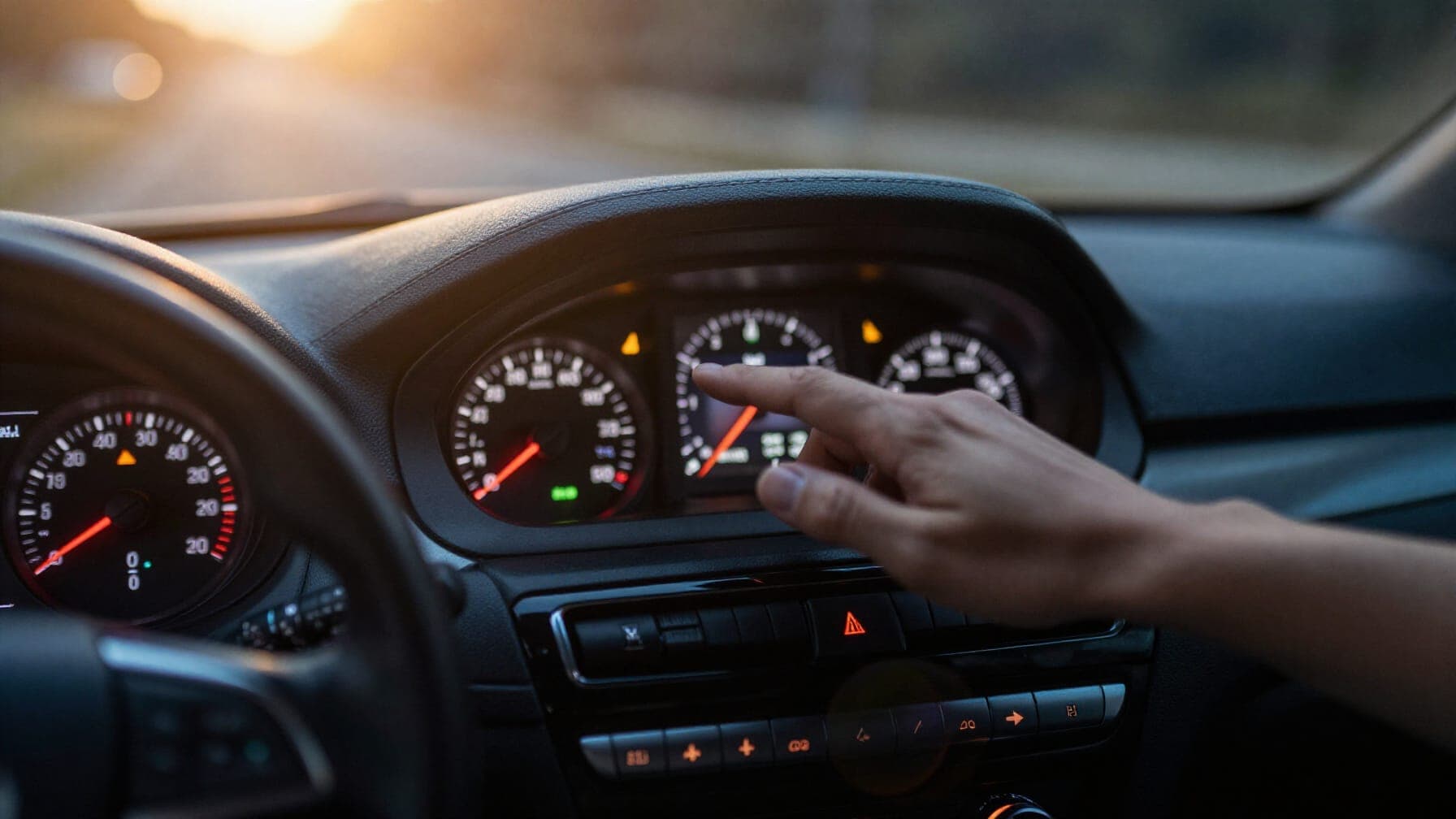
A car dashboard with various warning lights and instruments, symbolizing the confusion of driving myths
Debunking 10 Common Driving Myths That Are Costing You Money
We've all heard them. "You need to warm up your car before driving." "Premium fuel gives you better performance." "Red cars cost more to insure." These myths have been passed down through generations, often starting with well-meaning advice that made sense for older cars but is completely wrong for modern vehicles.
Driving is something most of us do every day, but we carry around a surprising amount of misinformation. From old wives' tales to well-meaning but outdated advice, these myths can cost us money, waste fuel, and sometimes even put us in danger.
This article separates fact from fiction on ten of the most persistent driving myths.
1. You Should Let Your Car Warm Up Before Driving
The Myth
You need to let your car idle for several minutes before driving, especially in cold weather.
The Truth
This was true for carbureted engines in vehicles built before 1995. Modern cars with electronic fuel injection don't need to warm up. Idling wastes fuel, causes unnecessary engine wear, and creates needless emissions. Researchers estimate that in the United States alone, we waste around three billion gallons of fuel by idling passenger cars.
What to do instead: The fastest way to warm up your engine is to start driving. Just keep the RPMs low for the first few minutes until the car reaches operating temperature.
2. Premium Fuel Boosts Your Car's Performance
The Myth
Premium fuel makes your car run better, faster, and more efficiently.
The Truth
If your car doesn't require premium fuel, you're just wasting money. A 2016 AAA study found no consistent increase in horsepower or fuel economy when using premium fuel in cars designed for regular. The US Federal Trade Commission states that "in most cases, using a higher-octane gasoline than your owner's manual recommends offers absolutely no benefit."
What to do instead: Check your owner's manual. If your car requires premium, there will be a sticker inside the fuel door or on the gas cap. Otherwise, stick with regular.
3. You Need to Change Your Oil Every 3,000 Miles
The Myth
Engine oil must be changed every 3,000 miles to keep your engine healthy.
The Truth
The 3,000-mile oil change is a holdover from simpler times when neither oil nor engines were as sophisticated. Modern synthetic oils can last up to 10,000 miles, and most manufacturers recommend intervals between 5,000 and 7,500 miles.
What to do instead: Check your owner's manual for the manufacturer's recommended interval. Following the manual saves you money and is better for the environment.
4. Driving Barefoot or Wearing Flip-Flops Is Illegal
The Myth
It's illegal to drive without shoes or wearing flip-flops.
The Truth
It's not illegal. However, it can be dangerous. Loose footwear can become lodged between pedals, and bare feet don't provide the same level of control.
What to do instead: Wear sensible footwear with flat, thin soles that let you feel the pedals. Avoid high heels, flip-flops, and heavy boots.
5. You Should Merge as Early as Possible
The Myth
When there's a lane closure ahead, you should merge into the open lane as soon as you see the warning sign.
The Truth
This is wrong. The zipper merge—staying in your lane until the merge point and taking turns—keeps traffic moving faster and is safer. Studies have shown that the zipper merge increases traffic throughput and reduces road rage.
What to do instead: Stay in your lane until the merge point, then take turns merging with drivers in the other lane. It's called a "zipper merge" for a reason.
6. Red Cars Cost More to Insure
The Myth
Red cars cost more to insure and are more likely to get pulled over.
The Truth
This is a complete myth. Auto insurance companies don't consider color when determining rates. Factors like the car's make, model, age, and safety features matter—not the paint job.
What to do instead: Choose whatever color you like. It won't affect your insurance rates, unless you have a custom paint job that makes the car more expensive to repair.
7. Idling Saves Gas Compared to Restarting
The Myth
Turning your car off and on uses more gas than letting it idle.
The Truth
This was true in older vehicles with carburetors, but modern fuel-injected engines are designed to handle frequent restarts efficiently. An idling car can consume around 0.5 litres of fuel per hour.
What to do instead: If you're going to be stopped for more than a minute, turn the engine off. This saves fuel and reduces emissions.
8. A Cracked Windscreen Is Fine to Drive With
The Myth
A small crack in the windscreen is no big deal and you can still drive safely.
The Truth
While there isn't a specific law saying you can't drive with a cracked windscreen, it's a motoring offence if the crack obstructs your view. Even a 10mm crack directly in the driver's line of vision can result in MOT failure.
What to do instead: If the crack is in your line of sight, get it repaired. If you drive with a cracked windscreen and get into an incident, you could be held responsible due to impaired visibility.
9. Airbags Can Cause More Harm Than Good
The Myth
Airbags are dangerous and can cause serious injuries, so they're not worth having.
The Truth
Airbags have saved more than 50,000 lives, according to NHTSA estimates. Early airbag designs did cause some injuries, but modern airbags are much safer. The key is to always wear your seatbelt—in more than 80% of airbag-related deaths, the passenger was not properly restrained.
What to do instead: Airbags are a critical safety feature. Always wear your seatbelt, and never put a child in the front seat.
10. Manual Transmissions Are More Fuel-Efficient Than Automatics
The Myth
Driving a manual transmission car will save you money on fuel.
The Truth
This was true decades ago, but advances in automatic transmissions have closed the gap. The US Department of Energy states that the automatic version of a vehicle often gets the same or better fuel economy than the manual version.
What to do instead: If you're buying a car for fuel efficiency, don't assume a manual is better. Check the EPA ratings for both versions.
Drive Smarter, Not Harder
Driving myths are persistent, but they don't have to control how you drive. By knowing the facts, you can save money, stay safer, and drive more confidently.
The next time someone tells you that you need to warm up your car or that premium fuel is worth the extra cost, you can confidently set them straight.
Drive smart, and don't believe everything you hear.
You might also like:
- Why Maintenance Matters: The Science of Keeping Your Car on the Road
- 8 Overlooked Car Maintenance Services That Will Save Your Engine
- The Great Affordability Crisis: Why Car Ownership is Becoming a Luxury
Disclaimer: This article is for informational purposes only. Always consult your vehicle's owner's manual and a qualified mechanic for specific maintenance advice.
Drift Team
Automotive experts and myth busters