The 10 Most Controversial Cars Ever Made — And Why They're Still Loved
From the Tucker 48 to the Tesla Cybertruck, these cars sparked outrage, scandal, and debate. Yet somehow, they're still beloved.
A collage of the 10 most controversial cars ever made
The 10 Most Controversial Cars Ever Made — And Why They're Still Loved
Some cars are remembered for their beauty. Others for their speed. But the ones that truly stick in our minds? The ones we can't stop talking about? Those are the cars that sparked outrage, scandal, and debate. They were hated. They were feared. They were laughed at. And yet, somehow, they're still loved.
This isn't a list of the "best" cars. This is a list of the cars that made us feel something. The cars that divided families, destroyed reputations, and changed the industry forever.
Let's take a look at ten of the most controversial cars ever made — and why they still have a hold on us.
Tucker 48
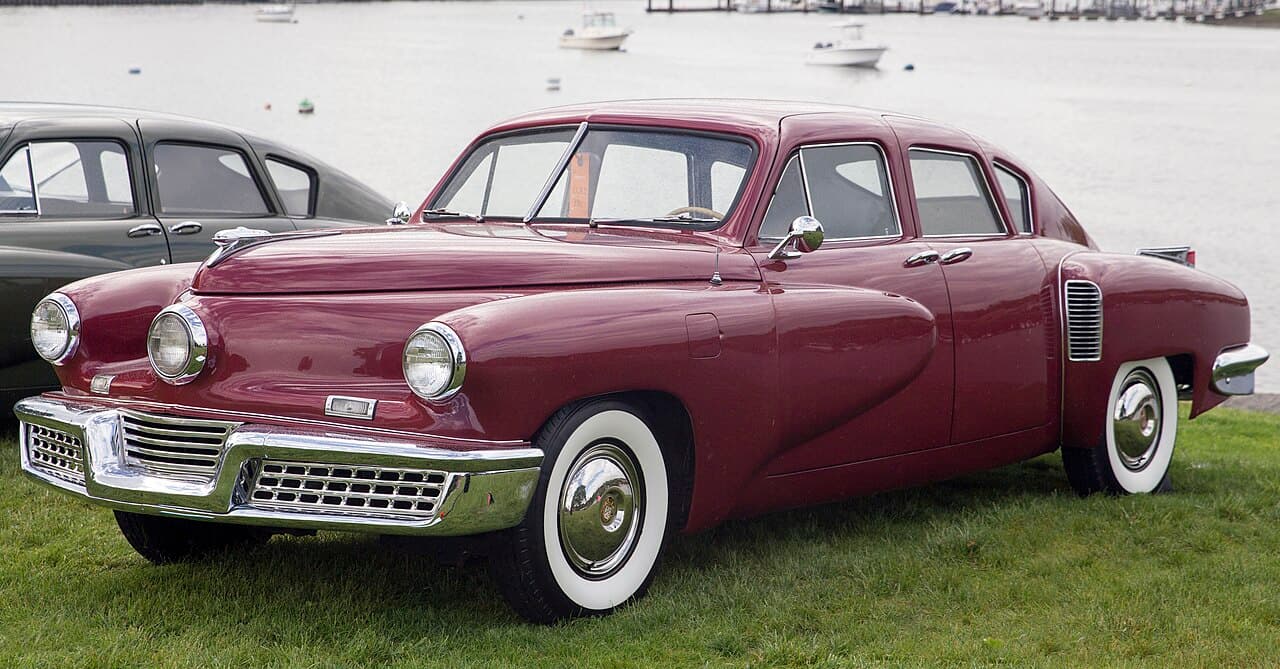 The Tucker 48, a futuristic sedan with a center headlight and rear engine
In the late 1940s, Preston Tucker had a vision. He wanted to build a car so advanced, so safe, and so revolutionary that it would make Detroit's "Big Three" tremble. The Tucker 48 was that car.
It had a rear-mounted engine. A padded dashboard. A pop-out windshield designed to protect passengers in a crash. And that iconic "Cyclops Eye" center headlight that swiveled with the steering wheel. It was the future, and everyone could see it.
But the Big Three weren't about to let an outsider disrupt their empire. Tucker was hit with fraud charges by the SEC, accused of selling dealership franchises and accessories for a car that wasn't even ready. The scandal, fueled by a leak to the press, brought his company to its knees.
Only 51 Tucker 48s were ever built. The dream died.
Why it's still loved: The Tucker 48 is a legend. It represents what could have been—a car that was decades ahead of its time. Today, it's one of the rarest and most valuable collector cars in the world. When one sells at auction, it makes headlines. The Tucker 48 isn't just a car; it's a symbol of ambition, innovation, and the American dream.
Chevrolet Corvair
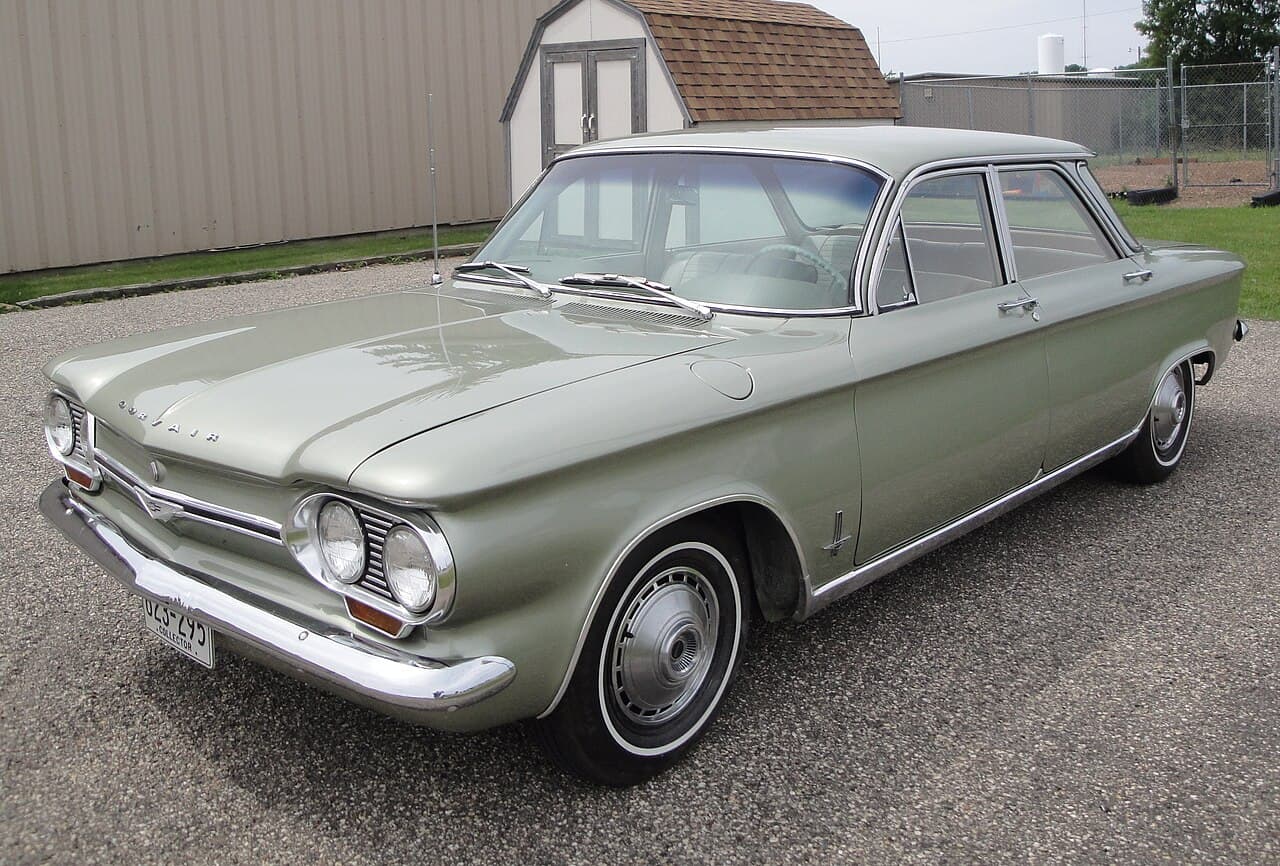 The Chevrolet Corvair, America's first rear-engine car, with its distinctive sloping rear
In 1960, General Motors did something radical. They built a rear-engine, air-cooled car for the American market. The Corvair was sleek, sporty, and completely unique. It was America's answer to the Volkswagen Beetle, and it won Motor Trend's Car of the Year award.
But there was a problem. The Corvair's rear suspension used a swing-axle design, which could cause the rear wheels to "tuck under" in a sudden turn. This could lead to a loss of control and, in some cases, a rollover.
Enter Ralph Nader. In 1965, Nader published Unsafe at Any Speed, a book that accused the Corvair of being a "one-car accident." The book destroyed the Corvair's reputation. Sales plummeted, and GM discontinued the model in 1969.
But here's the twist: a 1971 NHTSA report found that the Corvair's rollover rate was similar to other cars of its era. The car was vindicated, but the damage was done.
Why it's still loved: The Corvair is a cult classic. It's America's first rear-engine car, a bold experiment that failed because of a PR disaster. Today, enthusiasts love it for its uniqueness, its engineering, and its role in automotive history. The Corvair is a reminder that sometimes, the truth doesn't matter—perception is everything.
Ford Pinto
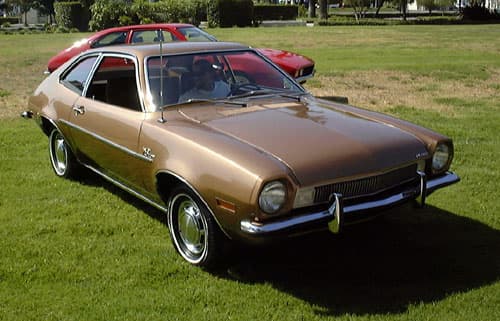 The Ford Pinto, a small subcompact with a controversial fuel tank design
The Ford Pinto was supposed to be America's answer to the wave of imported subcompacts. It was small, cheap, and practical. The promise was a 2,000-pound car for a $2,000 price tag.
But the Pinto had a dark secret. Its fuel tank was placed behind the rear axle, dangerously close to the differential and bumper. In moderate-speed rear-end collisions, the tank could rupture and leak fuel, leading to catastrophic fires.
In 1977, Mother Jones published an article called "Pinto Madness," which claimed that Ford knew about the design flaw and decided it was cheaper to pay for lawsuits than fix the cars. The article was devastating. A subsequent 60 Minutes segment cemented the Pinto's reputation as a deadly "firetrap."
Later analysis has shown that the Pinto's fatality rates were similar to other subcompacts of its era. But the damage was done. The Pinto became a symbol of corporate greed and neglect.
Why it's still loved: The Pinto is a defining car of the 1970s, a symbol of an era when safety regulations were evolving. It's a cautionary tale that reminds us how far we've come. And for some, it's a nostalgic piece of automotive history that deserves a second look.
DeLorean DMC-12
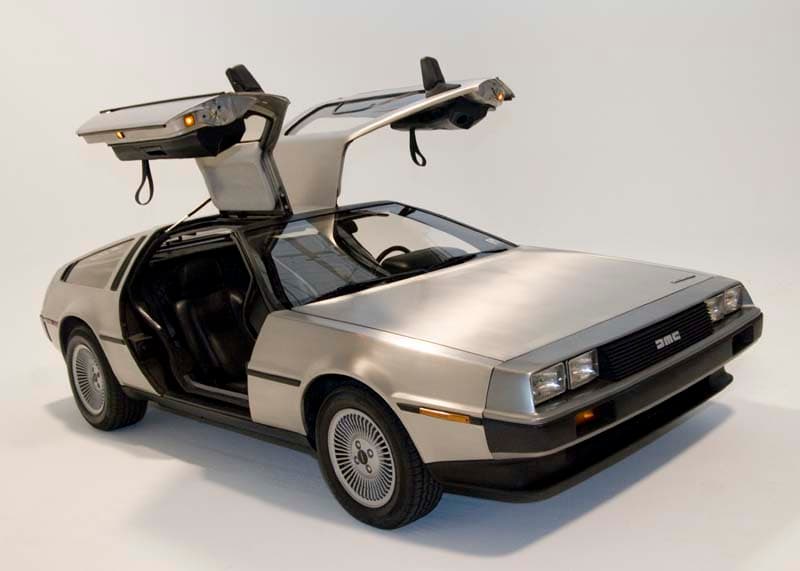 The DeLorean DMC-12, a stainless steel sports car with gull-wing doors
The DeLorean DMC-12 is more legend than car. Created by the charismatic John Z. DeLorean, a former GM executive who broke away to build an "ethical sports car," it was a stainless steel, gull-winged marvel. It was supposed to be the car of the future.
But the future never arrived. The DeLorean Motor Company was perpetually on the brink of financial collapse. In 1982, John DeLorean was arrested for conspiring to distribute $24 million of cocaine to save his company. He was later found not guilty on grounds of entrapment, but the scandal killed the company.
Only about 9,000 DMC-12s were ever built.
Why it's still loved: The DeLorean DMC-12 was famously used as a time machine in the Back to the Future franchise. That role single-handedly resurrected the car's image, turning it from a failed automotive venture into a pop culture icon. Its gull-wing doors and stainless steel body ensure its legacy endures.
Audi 5000
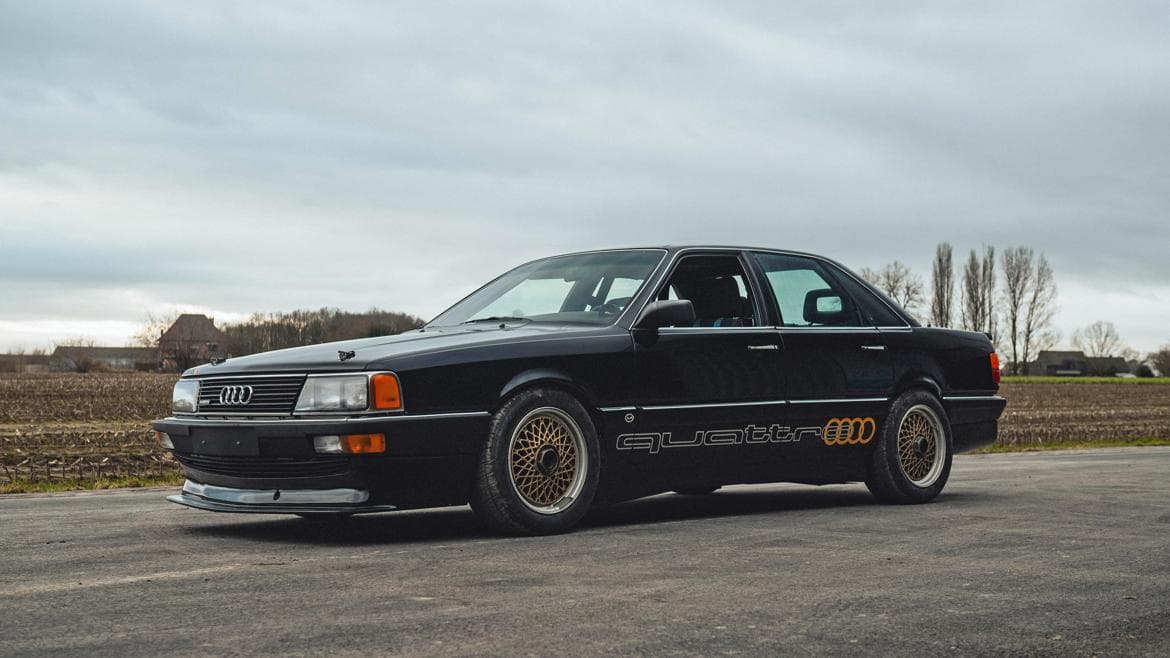 The Audi 5000, a sleek German sedan with a controversial reputation
In the 1980s, the Audi 5000 was a star. This sleek German sedan represented a new era of luxury and performance, with its fuel-efficient aerodynamic design. For a few years, it was one of the hottest cars on the market.
Then came 60 Minutes. In 1986, the show aired a segment alleging that the Audi 5000 suffered from "unintended acceleration," where the car would suddenly surge forward even when the brake was pressed.
Sales plummeted from 74,000 in 1985 to just 12,000 a year later. The controversy was fueled by lawsuits and a perception that the Germans had built a dangerous car.
But the case against the Audi 5000 was widely considered to be unjust. The cause of the incidents was determined to be driver error—most likely pressing the gas instead of the brake, often exacerbated by a poorly designed floor mat.
Why it's still loved: The Audi 5000 is now recognized as a technological marvel with a legendary drivetrain. Despite the controversy, it's a car that enthusiasts admire for its engineering and design.
Fiat Multipla
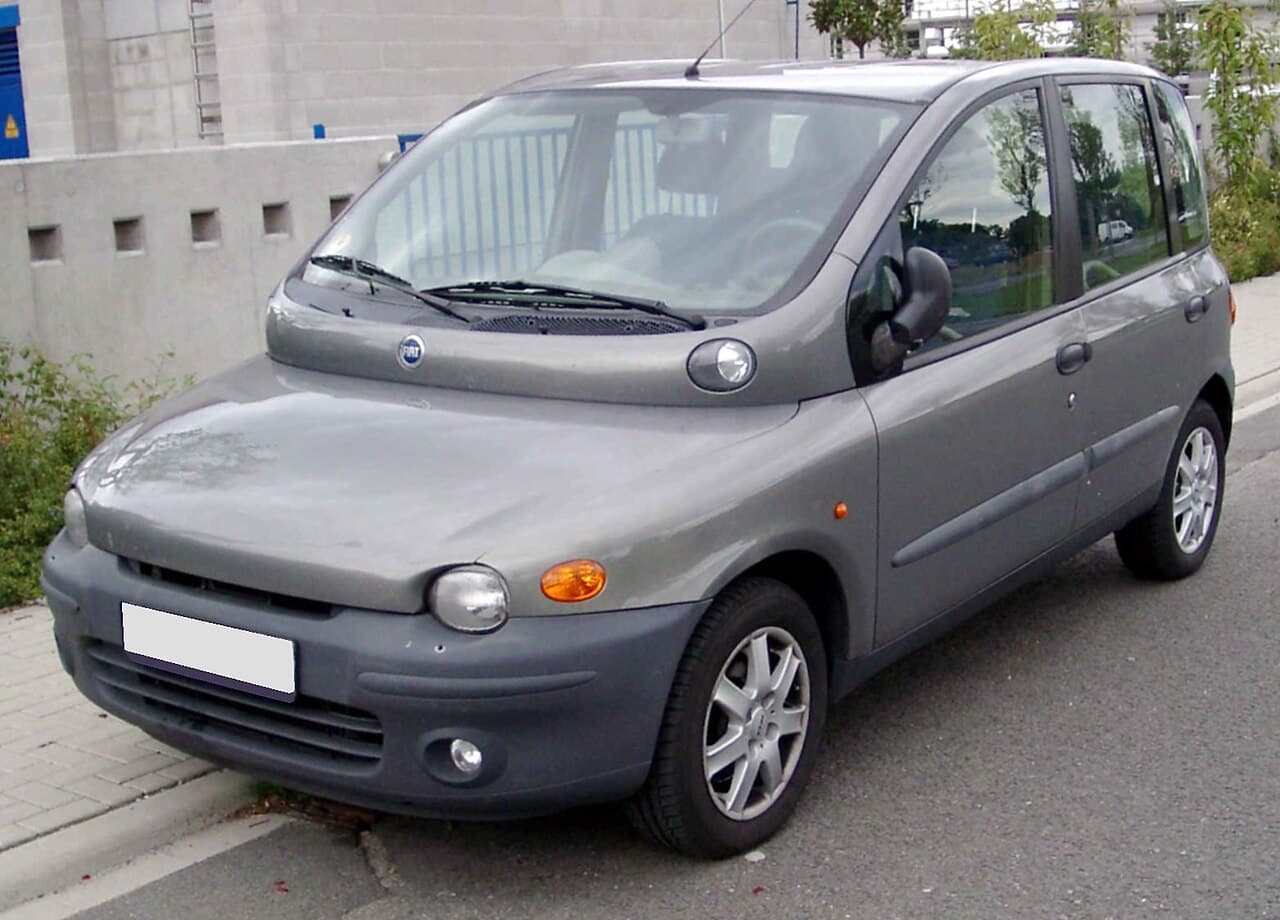 The Fiat Multipla, a compact MPV with a bizarre front-end design
The Fiat Multipla is the "ugly duckling" of automotive design. The Italian car company threw convention to the wind, creating a compact MPV that was uniquely weird.
Its front-end design, with stacked headlights and an unusual grille, was instantly mocked. The Daily Telegraph once described its design as a "psychotic cartoon duck." It has consistently been voted one of the ugliest cars ever made.
But underneath the bizarre styling was a brilliantly practical car. It had two rows of three seats, making it a true six-seater in a compact footprint. It was spacious, comfortable, and extremely functional.
Why it's still loved: The Multipla's saving grace is that it was a fantastic car to drive, and its oddball character has given it a cult following. It's a reminder that beauty is only skin deep, and sometimes the best cars are the ones that don't look like anything else.
BMW E65 7-Series
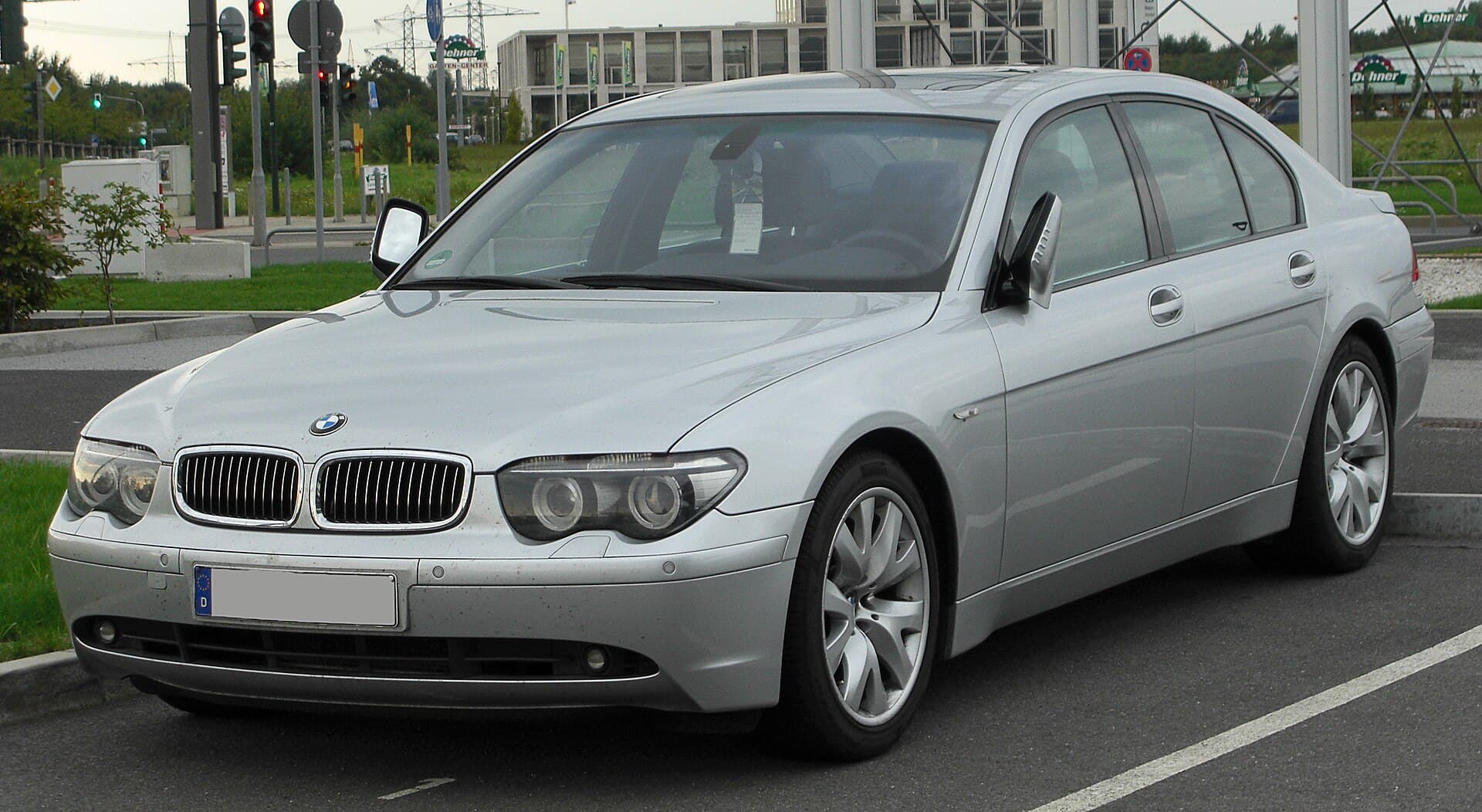 The BMW E65 7-Series, a luxury sedan with a controversial trunk design
Chris Bangle became BMW's design chief in the 1990s, and he made it his mission to move BMW's styling forward into the 21st century. He succeeded—but not without controversy.
His designs, particularly on the E65 7-Series, featured the infamous "Bangle Butt"—a controversial, bulky trunk lid that traditional BMW fans hated. It was a radical departure from the classic, restrained BMW style that had defined the brand for decades.
Loyalists felt the design was a betrayal. They wanted the old BMW, the one that looked like a proper German sedan. The "Bangle Butt" was too bold, too American, too strange.
Why it's still loved: Bangle's designs were polarizing, but also incredibly influential. The "Bangle Butt" has since become a standard feature on many modern sedans. History has been kind to the E65; it's now seen as a landmark design that pushed the automotive industry forward.
Tesla Cybertruck
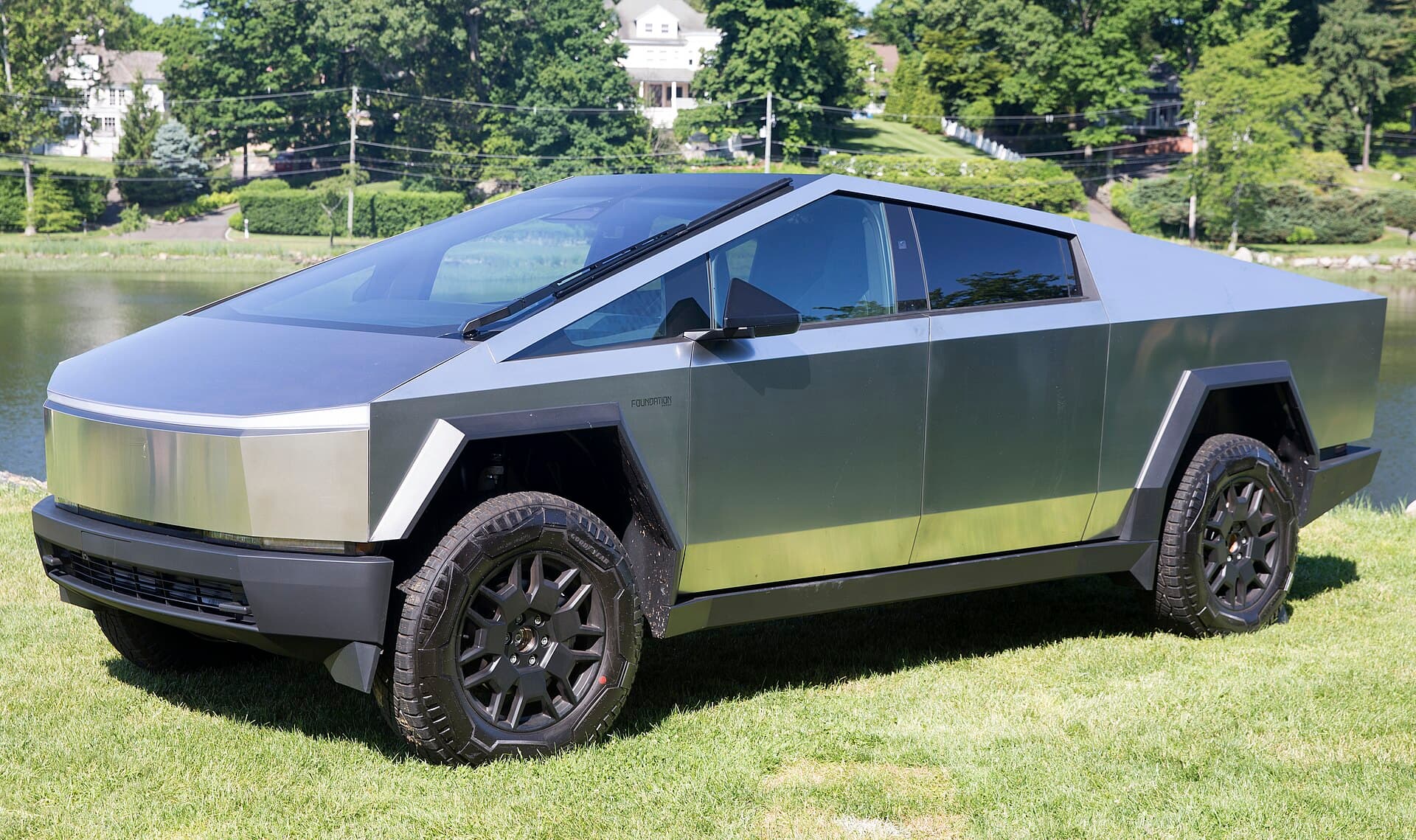 The Tesla Cybertruck, a futuristic electric pickup with sharp stainless steel panels
The Tesla Cybertruck is the most recent car on this list, and it's already cementing itself as one of the most controversial vehicles ever made. It is a statement of radical futurism from Tesla and its CEO Elon Musk.
Its design, with sharp, flat stainless-steel panels, looks like it was pulled from a 1980s sci-fi movie. It is hugely divisive, with critics calling it ugly, impractical, and a danger to pedestrians. Its high price and numerous production and quality delays have only fueled the controversy.
Why it's still loved: Despite the intense criticism, the Cybertruck is genuinely innovative, featuring steer-by-wire technology and a 48-volt electrical system. It has a massive, dedicated fanbase and is a powerful status symbol. Its "love it or hate it" design has ensured it dominates every conversation it enters.
Porsche Cayenne
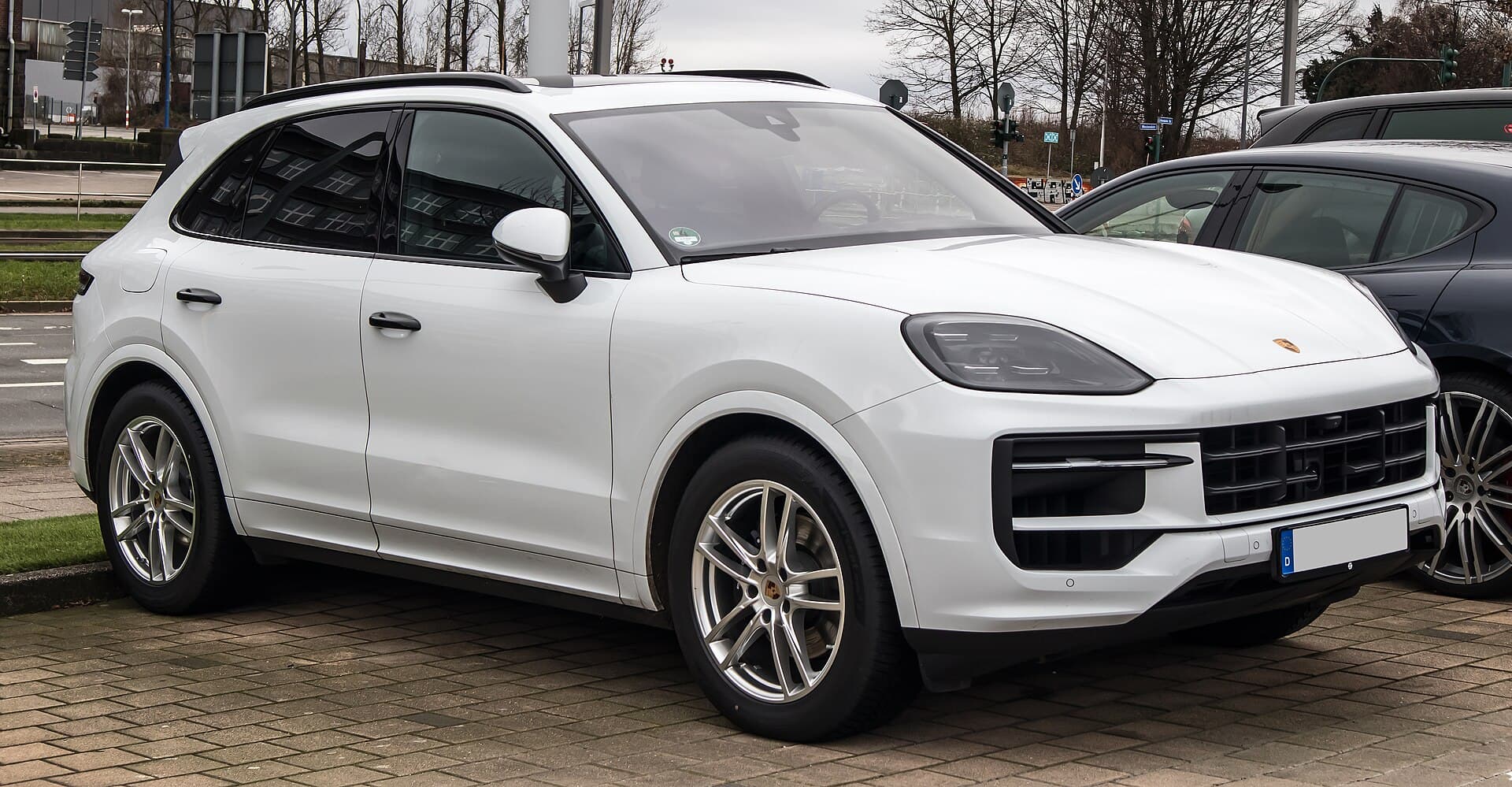 The Porsche Cayenne, a luxury SUV that was initially seen as a betrayal
When the Porsche Cayenne was launched, it felt like a betrayal of an entire brand's identity. Porsche was the epitome of sports car purity. They made lightweight, high-performance machines that were the dream of every enthusiast.
Then they made an SUV. A large, heavy, 4x4 SUV. It was the antithesis of the Porsche ethos. Purists were outraged. Environmentalists called it a gas-guzzler. It seemed like Porsche was selling out.
Why it's still loved: The Cayenne is now one of Porsche's most important and best-selling models. It was a fantastic SUV and helped financially secure the company's future. Today, the luxury SUV segment is standard, and the Cayenne is recognized as a pioneer that changed the automotive landscape.
Ford Edsel
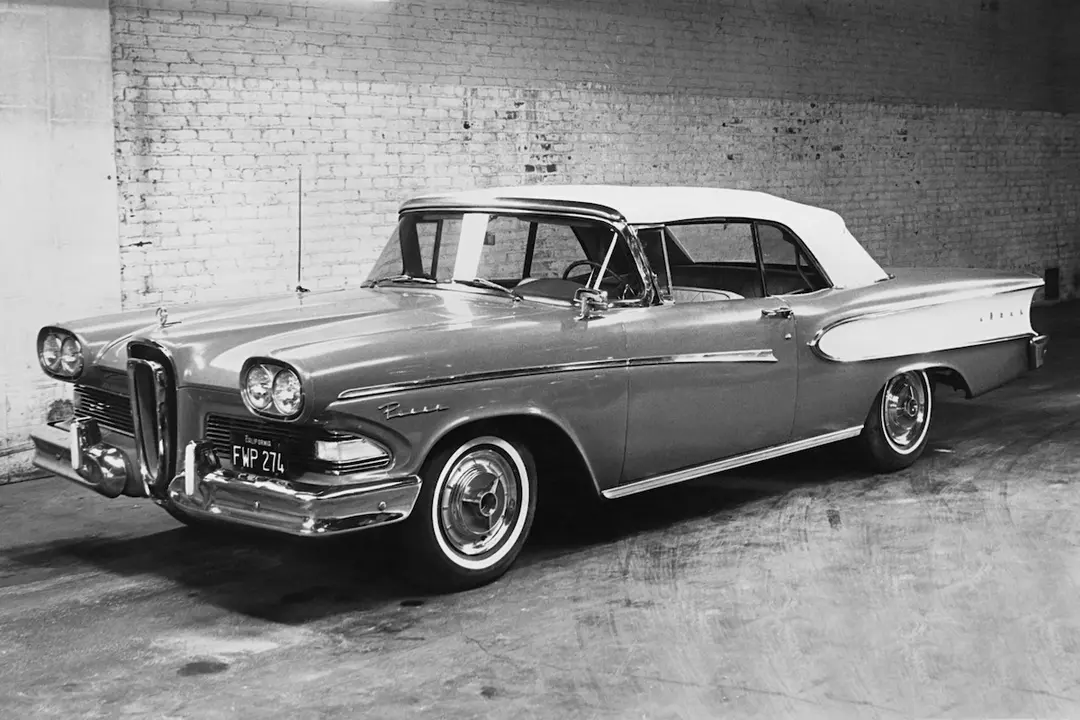 The Ford Edsel, a classic car with a controversial grille design
The Ford Edsel is the definitive American marketing disaster. It was a new brand that Henry Ford II spent millions of dollars on in the 1950s to create a car that would fill a gap in the company's lineup.
But the Edsel was a mess from the start. Its most infamous feature was its "horsecollar" grille, which was deeply unpopular and a source of ridicule. The name "Edsel" was also considered a strange choice, and the car's price and features were confusing to the public.
Why it's still loved: The Edsel has become a symbol of hubris and a cautionary tale of corporate groupthink. As a result, it has a strong cult following. It's a fascinating piece of history that reminds us how wrong things can go when marketing and design fail to connect with the consumer.
Conclusion
Let's be honest, everyone has a controversial car they secretly love. Maybe it's the Cybertruck's sci-fi absurdity that makes you smile. Maybe it's the DeLorean's gull-wing doors that still feel like magic. Maybe you're one of the few who actually defends the Multipla.
Some of these cars were safety disasters. Others were marketing nightmares. A few were just plain ugly. But they all have one thing in common: they refuse to be forgotten.
That's the thing about cars. We attach memories to them. We attach arguments, nostalgia, and sometimes even our own pride. When a car is controversial, it becomes more than transportation. It becomes a conversation starter. A punchline. A symbol.
So the next time someone makes fun of your favorite controversial car, just smile. They don't get it. And that's okay.
These cars aren't for everyone. They never were.
You might also like:
- Chinese Luxury EVs Are Coming to Canada — And They Start at $119,000
- Why New Drivers Are More Scared of Car Maintenance Than Anything Else
- Tesla 'Sleeping Driver' Incident: What Really Happened?
Disclaimer: This article is for informational and entertainment purposes only. Some images may be sourced from public domains. All product names, logos, and brands are property of their respective owners. Prices, features, and vehicle history are subject to change.
Drift Team
Automotive historians and car culture enthusiasts