Top 10 Cars That Defined the 1990s
The 1990s were the golden era of performance cars. From the McLaren F1 to the Toyota Supra, these 10 cars defined a decade and still make enthusiasts weak in the knees.
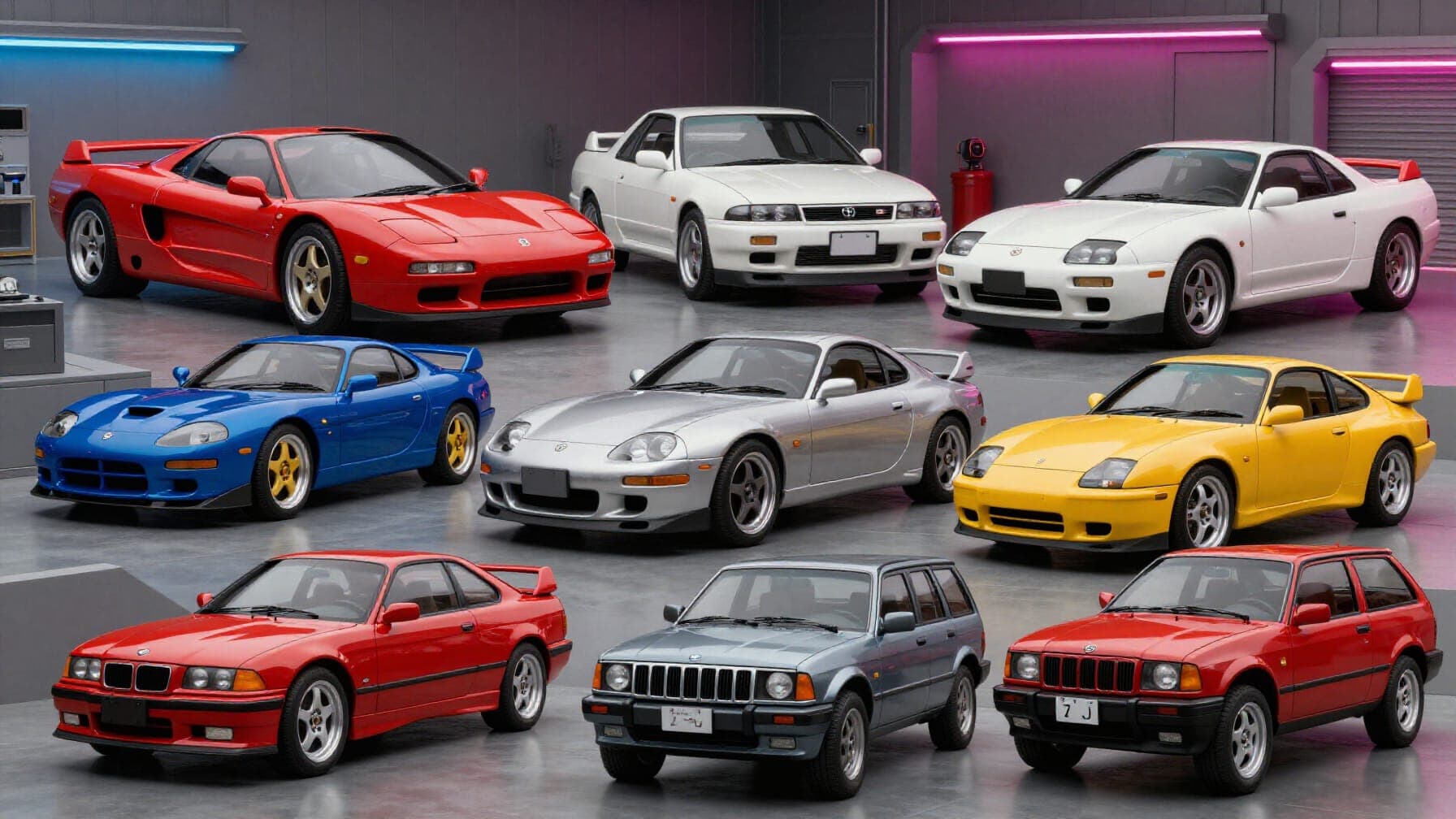
A dramatic collage of the 10 most iconic cars of the 1990s arranged in a dynamic layout with neon lighting
Top 10 Cars That Defined the 1990s
The 1990s were the golden era of performance cars. It was a decade when design improved dramatically, boxy shapes disappeared, and technology advanced faster than ever before. The Japanese performance revolution produced legends that still make enthusiasts weak in the knees. The supercar reached its zenith with the McLaren F1. The SUV boom began. And the sports sedan was perfected.
These ten cars defined the 1990s. They are the machines that made us fall in love with driving. They are the cars that still dominate conversations at car meets. They are the legends that refuse to fade away.
Let us take a journey back to the decade that gave us the greatest cars ever built.
1. McLaren F1 (1992-1998)
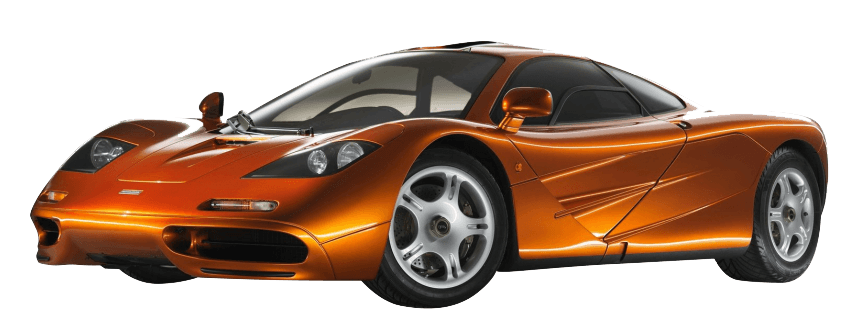 McLaren F1, the greatest supercar of the 1990s and arguably the best car ever made
The McLaren F1 was the greatest car of the 1990s and arguably the greatest supercar ever made. It held the record for the fastest production car in the world for years, achieving a top speed of 386.4 kilometers per hour in 1998. Only 106 cars were built between 1992 and 1998, making it one of the rarest and most sought-after cars on the planet.
The F1's Ultimate Ambition
The F1 was the ultimate expression of 1990s excess and engineering ambition. It was a car so good that it made everything else look obsolete. Gordon Murray, the brilliant designer behind the F1, wanted to create the ultimate road car. He succeeded beyond anyone's imagination.
The F1's Engineering Marvel
The F1 featured a central driving position inspired by Formula 1. The driver sat in the middle, with two passengers slightly behind and to the sides. This gave the driver an unparalleled view of the road and perfect weight distribution.
Under the hood was a 6.1-liter V12 engine developed by BMW. It produced 618 horsepower and 479 lb-ft of torque. The car weighed just 1,140 kilograms, thanks to extensive use of carbon fiber and other lightweight materials.
The F1's Racing Triumph
In 1995, the McLaren F1 won the 24 Hours of Le Mans on its first attempt. It finished first, third, fourth, and fifth, with the winning car completing more laps than any other car in the race's history. The F1 GTR was a racing legend.
Why the F1 Still Matters Today
The McLaren F1 remains the fastest naturally aspirated production car in the world. Its record stood for over a decade. The F1 established McLaren as a legendary car manufacturer. It proved that a road car could be both a technological marvel and a work of art.
2. Honda NSX (1990-2005)
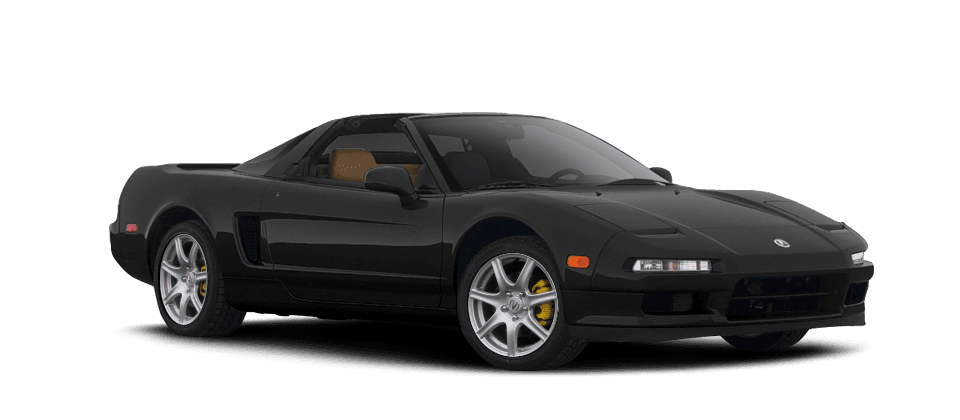 Honda NSX, the Ferrari killer that proved supercars could be reliable
The Honda NSX proved that supercars could be tremendous performers and not break down. It single-handedly forced Ferrari, Porsche, and Lamborghini to improve quality. The NSX was a direct rival to Ferrari's 348, offering similar performance with vastly superior reliability and user-friendliness.
How the NSX Humiliated Ferrari
The NSX humiliated Ferrari and proved Japanese engineering could beat the Europeans at their own game. A 100,000-mile NSX is "barely run in" while a high-mileage Ferrari is a terrifying proposition. The NSX changed the supercar world forever.
The NSX's Engineering Brilliance
The NSX featured a mid-engine V6 with Honda's legendary VTEC system. The engine produced 270 horsepower and could rev to 8,000 rpm. The car had an aluminum body, a first for a production car. This made it lightweight and responsive.
Ayrton Senna, the legendary Formula 1 driver, helped develop the chassis. His input gave the NSX handling that was both precise and forgiving. The car was a joy to drive on both road and track.
The NSX as Ferrari Killer
The NSX debuted in 1990 at a time when Ferrari was still building cars with questionable reliability. The NSX was faster, better built, and more reliable than the Ferrari 348. It forced Ferrari to improve their quality. The Ferrari F355, which followed, was a direct response to the NSX.
Why the NSX Still Matters Today
The NSX is still revered as one of the greatest sports cars ever built. Its values have skyrocketed in recent years. The NSX proved that a supercar could be a daily driver. It set a standard for reliability and usability that every supercar manufacturer now follows.
3. Nissan Skyline GT-R (R32, 1989-1994)
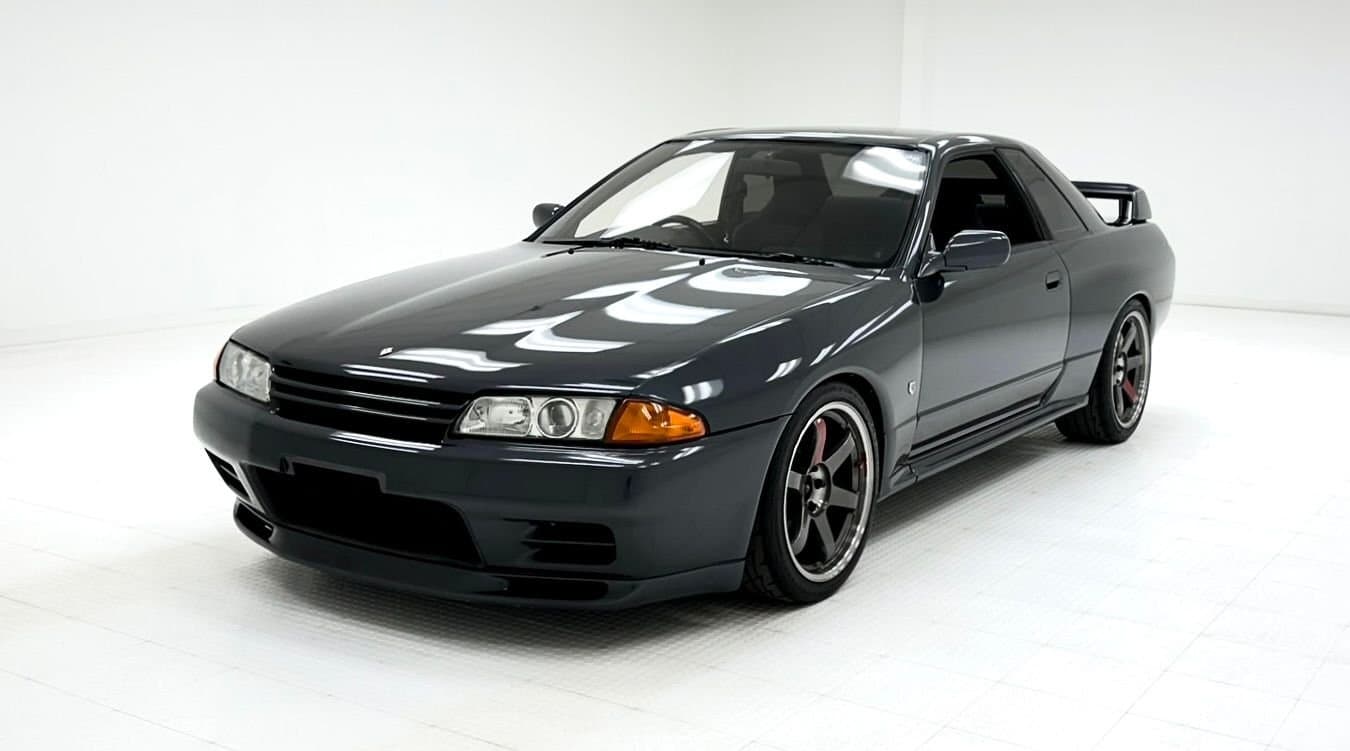 Nissan Skyline GT-R R32, the Godzilla that dominated racetracks worldwide
The R32 GT-R earned the nickname "Godzilla" from the Australian press because it was "the monster from Japan." It earned this title through supercar-killer performance on the road and sheer domination on the racetrack, winning 29 consecutive races.
The Birth of Godzilla
The R32 started the GT-R legend that continued with the R33 and R34. "Godzilla" was not a marketing gimmick. It was earned through destruction of the competition. The GT-R became the ultimate Japanese performance machine.
The GT-R's Engineering Masterpiece
The R32 featured the ATTESA E-TS all-wheel-drive system. This advanced system could send power to the front wheels when needed, providing incredible grip and handling. The RB26DETT twin-turbo inline-six engine produced 276 horsepower, the agreed limit for Japanese cars at the time.
But the engine was capable of much more. The RB26DETT became legendary for its tuning potential. With simple modifications, it could produce 500 horsepower or more. The engine was bulletproof.
The GT-R's Racing Dominance
The R32 GT-R dominated Japanese touring car racing. It won 29 consecutive races, a record that still stands. The car was so dominant that it forced rule changes. The GT-R became the car to beat, and nobody could beat it.
Why the GT-R Still Matters Today
The Skyline GT-R is still one of the most sought-after Japanese cars in the world. The R32, R33, and R34 are all collectors' items. The GT-R legend continues with the modern R35. The R32 started it all.
4. Toyota Supra (A80, 1993-2002)
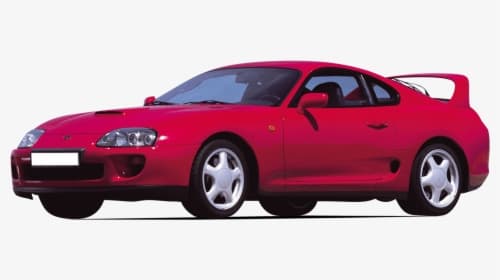 Toyota Supra A80, the 2JZ legend that became a tuner icon
The A80 Supra, with its 2JZ-GTE engine, became a tuner icon and a star of the Fast & Furious franchise. It represented the pinnacle of Japanese performance engineering. The Supra was the car that refused to die.
The 2JZ Legend
The 2JZ engine is still being swapped into everything from drift cars to drag racers decades later. The Supra became the ultimate symbol of Japanese tuning culture. It was the car that every enthusiast wanted.
The Supra's Legendary Engine
The 3.0-liter twin-turbo inline-six produced 320 horsepower in the US market. The engine was incredibly strong and could handle massive power increases. With simple modifications, the 2JZ could produce 600 horsepower or more. With serious modifications, it could produce over 1,000 horsepower.
The engine's strength came from its closed-deck block, forged internals, and robust design. Toyota built the 2JZ to last. It is one of the most reliable performance engines ever made.
The Supra's Pop Culture Status
The Supra became a global star after appearing in the first Fast & Furious movie. Brian O'Conner's orange Supra became one of the most famous movie cars of all time. The film introduced the Supra to a new generation.
Why the Supra Still Matters Today
The Supra is still one of the most desirable Japanese sports cars. Values have skyrocketed in recent years. The A80 Supra is a legend that will never fade. The 2JZ engine continues to power some of the fastest cars in the world.
5. Mazda RX-7 (FD, 1992-2002)
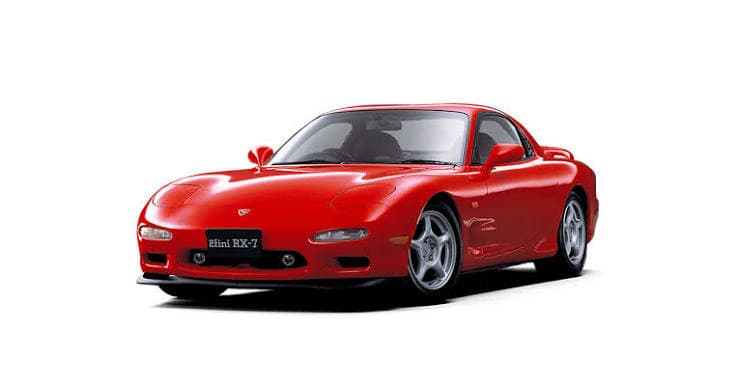 Mazda RX-7 FD, the rotary-powered masterpiece that sounded like nothing else
The FD RX-7 was Mazda's rotary-powered masterpiece. With its sequential twin-turbo 13B-REW engine and near-perfect 50/50 weight distribution, it was one of the most balanced sports cars ever built. It was the rotary engine's finest hour.
The Rotary Revolution
The RX-7 sounded like nothing else, revved like nothing else, and still looks like it was designed yesterday. The rotary engine was a unique experiment in automotive engineering, and the FD was its greatest achievement.
The RX-7's Rotary Engine
The 1.3-liter twin-rotor engine produced 255 horsepower in the US market. The sequential twin turbochargers provided smooth, linear power delivery. The engine could rev to 8,000 rpm and produced a distinctive, high-pitched whine.
The rotary engine was lightweight and compact, allowing for perfect weight distribution. The RX-7 was one of the best-handling cars of its era. It was a joy to drive on twisty roads.
The RX-7's Design Genius
The FD RX-7 was designed by a team led by Tom Matano. The design was sleek, elegant, and timeless. The car had a low, wide stance with pop-up headlights and a distinctive rear spoiler. It still looks modern today.
Why the RX-7 Still Matters Today
The RX-7 is a cult classic. Values have increased significantly in recent years. The rotary engine is no longer in production, making the FD one of the last of its kind. The RX-7 is a legend that will never be forgotten.
6. Dodge Viper RT/10 (1992-2002)
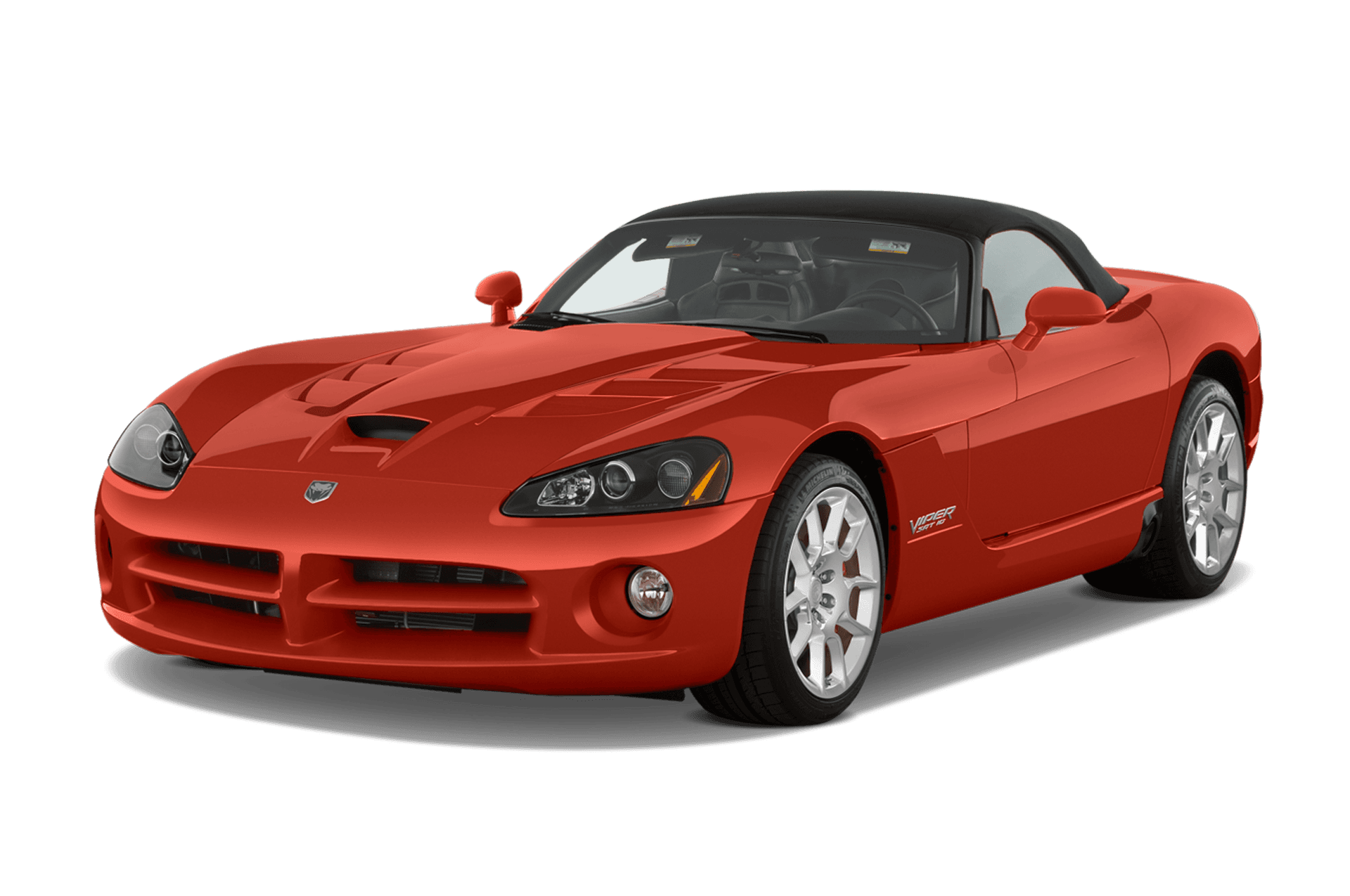 Dodge Viper RT/10, the raw American muscle car with no driver aids
The Viper was pure American muscle, conceived by Bob Lutz, Tom Gale, and Carroll Shelby. It was raw, brutal, and completely uncompromising. With an 8.0-liter V10 and no driver aids, it was the most dangerous car on the road.
The Last True American Muscle Car
The Viper was the last true American muscle car. No ABS, no traction control, no stability control. Just 400 horsepower and a prayer. It was a car that demanded respect and punished those who did not give it.
The Viper's Massive V10
The 8.0-liter naturally aspirated V10 produced 400 horsepower and 465 lb-ft of torque. It was derived from a truck engine, but it was heavily modified for performance. The engine was massive, heavy, and powerful.
The Viper could accelerate from 0 to 60 miles per hour in 4.6 seconds. It was one of the fastest cars in the world at the time.
The Viper's Raw Driving Experience
The Viper had no ABS, no traction control, and no stability control. It was a raw driving machine that required skill and respect. The car was known for its tail-happy handling and massive power.
The Viper was not a car for the faint of heart. It was a car for enthusiasts who wanted a pure, unfiltered driving experience.
Why the Viper Still Matters Today
The Viper is a legend of American performance. It established Dodge as a serious performance brand. The Viper's legacy continues with the modern Hellcat models. The RT/10 started it all.
7. Porsche 911 (993, 1993-1998)
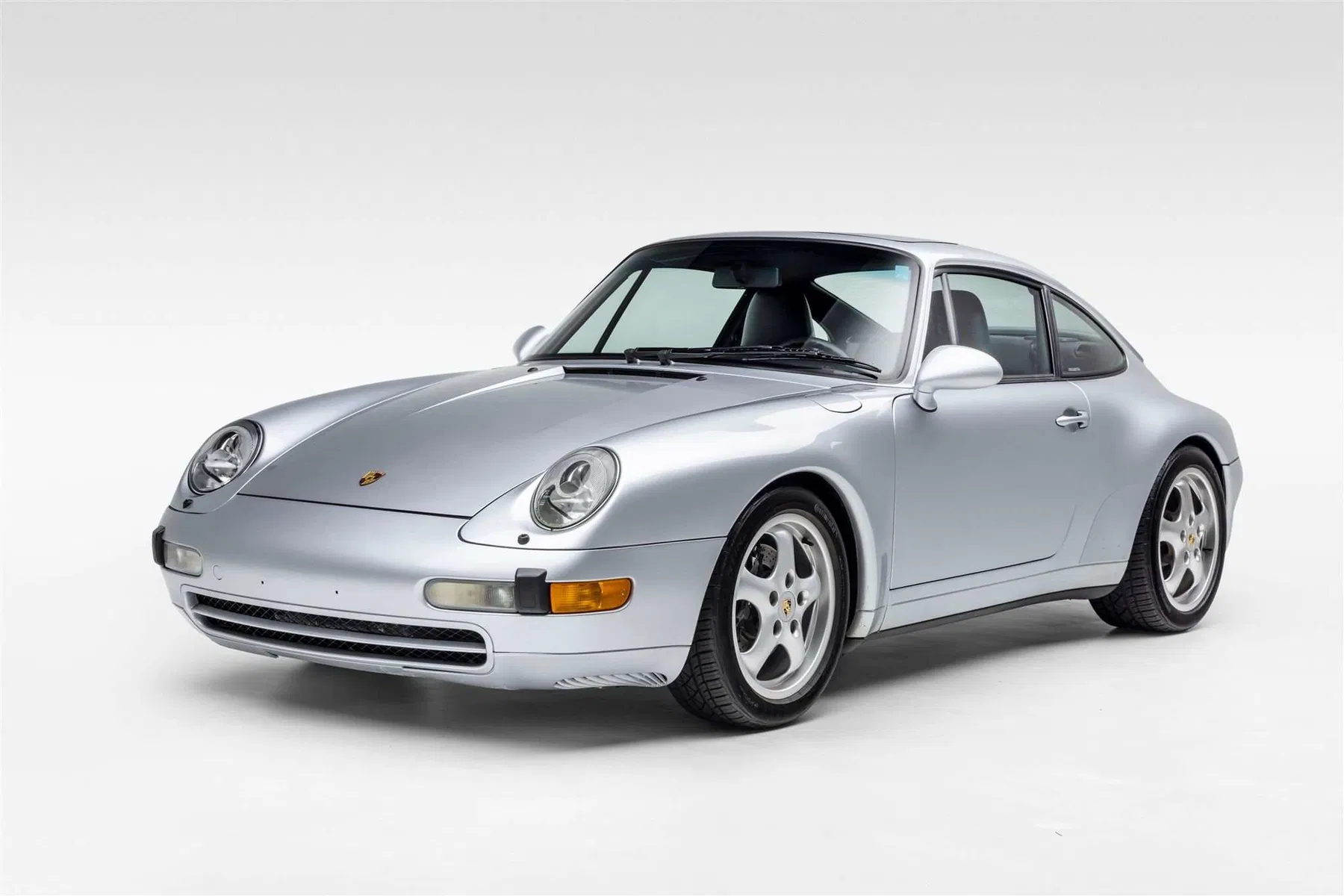 Porsche 911 993, the last of the air-cooled 911s and an icon of the 1990s
The 993 was the last of the air-cooled 911s, the culmination of 30 years of air-cooled technology. It represents the end of an era for Porsche. The 993 was the final development of the traditional air-cooled Porsche.
The End of an Icon
The 993 was the last time you could buy a new 911 with the air-cooled engine that had defined the model since 1963. The 993 is the most desirable of the air-cooled 911s. It is a legend that will never be repeated.
The 993's Air-Cooled Flat-Six
The 3.6-liter air-cooled flat-six produced 268 horsepower. The engine was smooth, responsive, and sounded glorious. It was the most advanced air-cooled engine Porsche ever built.
The 993 also featured a new multi-link rear suspension, which improved handling and ride quality. The car was more refined than previous 911s.
The 993's Timeless Design
The 993 had a distinctive design with integrated bumpers and a sleek, aerodynamic shape. It was the first 911 to have a completely new body since the original. The design was a perfect blend of tradition and modernity.
Why the 993 Still Matters Today
The 993 is a collector's item. Values have skyrocketed in recent years. The 993 is the most desirable of the air-cooled 911s. It is a legend that will never be forgotten.
8. BMW M3 (E36, 1992-1999)
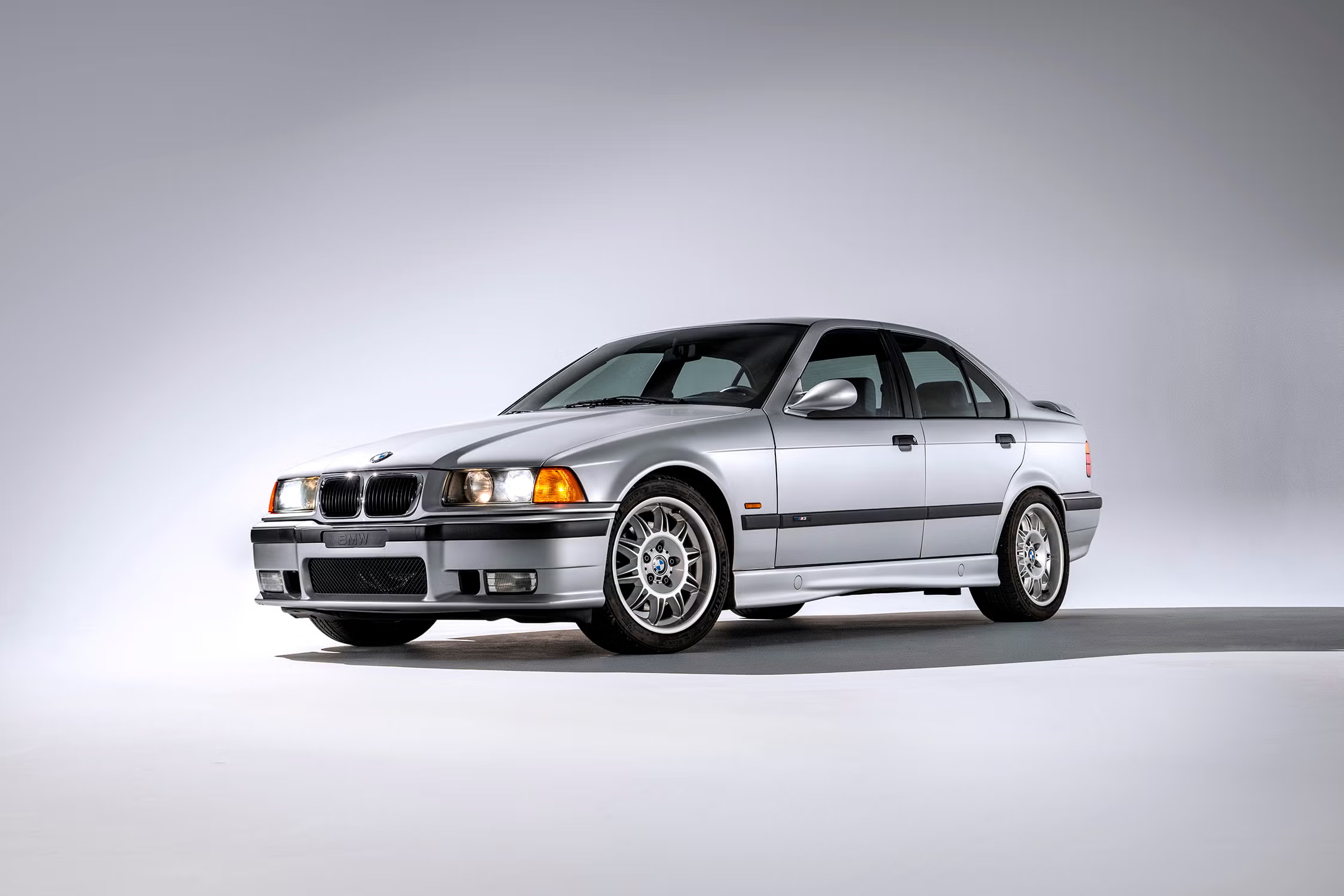 BMW M3 E36, the car that proved sports sedans could be supercar killers
The E30 created the concept, but the E36 took it mainstream. It established the modern M3 formula: four doors (starting in 1994), a stick shift, rear drive, and a rev-happy straight-six engine.
The Sports Sedan Perfected
The E36 M3 proved that you could have supercar performance and daily-driver practicality in one package. It was the car that redefined the sports sedan segment. Every performance sedan since has followed its formula.
The E36 M3's Rev-Happy Straight-Six
The 3.0-liter inline-six produced 282 horsepower in European markets. The US market received a slightly detuned version with 240 horsepower. The engine was smooth, responsive, and rev-happy.
The E36 M3 also had a limited-slip differential, sport suspension, and upgraded brakes. It was a complete performance package.
The E36 M3's Driving Experience
The E36 M3 was a joy to drive. The engine was responsive, the steering was precise, and the chassis was perfectly balanced. It was a car that could be driven to the track, enjoyed all day, and driven home in comfort.
The E36 M3 was also practical. The sedan version had four doors and a spacious interior. It was a car that could be used every day.
Why the E36 M3 Still Matters Today
The E36 M3 is a legend of the sports sedan segment. It established the formula that every performance sedan follows today. The E36 M3 is still one of the best sports sedans ever built.
9. Jeep Grand Cherokee (ZJ, 1993-1998)
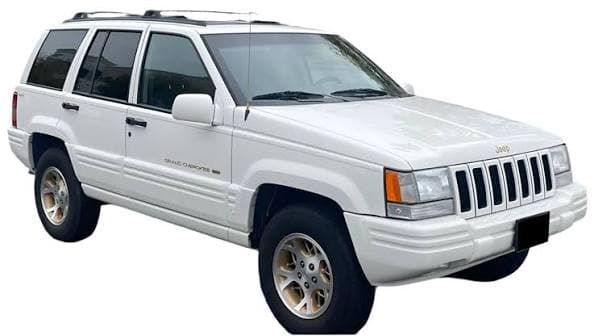 Jeep Grand Cherokee ZJ, the car that made SUVs desirable
The ZJ Grand Cherokee set a new industry benchmark for its unique balance of on- and off-road capability. It was larger and more luxurious than the Cherokee, with a smoother motorway ride and more spacious interior.
The Birth of the Luxury SUV
The Grand Cherokee proved you could have luxury, performance, and capability in one package. It created the modern luxury SUV segment. Every luxury SUV on the road today owes its existence to the Grand Cherokee.
The Grand Cherokee's Capability
The ZJ Grand Cherokee offered a 5.2-liter Magnum V8 with 220 horsepower. It had a four-wheel-drive system that was capable both on and off the road. The car could tow up to 6,500 pounds.
The interior was spacious and luxurious, with leather seats, air conditioning, and a premium sound system. The Grand Cherokee was comfortable on long trips.
The Grand Cherokee's Boxy Design
The ZJ Grand Cherokee had a distinctive boxy design that was both rugged and elegant. The design was a perfect blend of utility and style. It was a car that looked good in the city and on the trail.
Why the Grand Cherokee Still Matters Today
The Grand Cherokee is still one of the most popular SUVs in the world. The ZJ established the formula that every luxury SUV follows today. The Grand Cherokee is a legend that will never be forgotten.
10. Toyota RAV4 (XA10, 1994-2000)
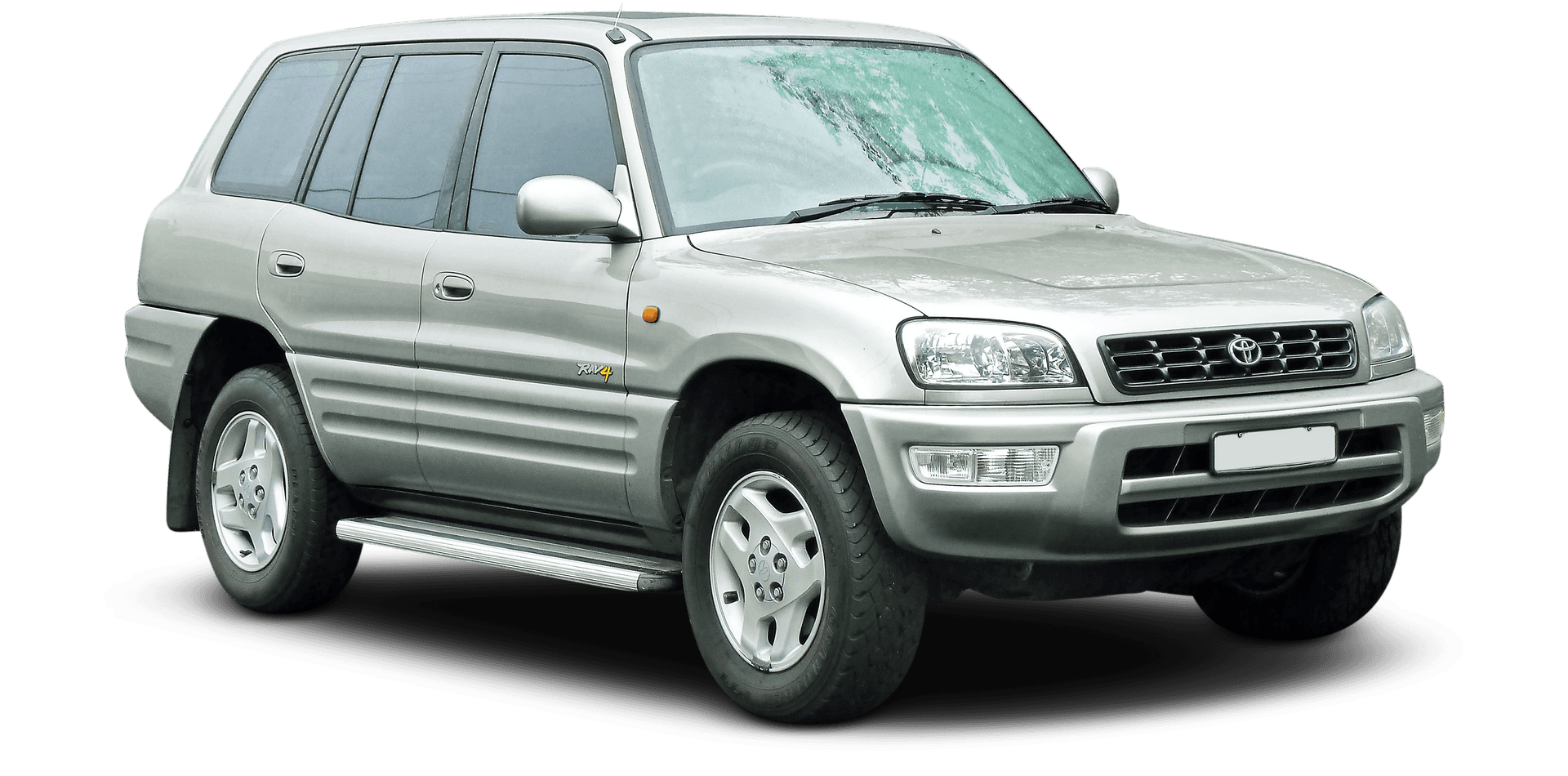 Toyota RAV4 XA10, the car that started the crossover craze
The RAV4 was the first compact crossover SUV, creating an entirely new segment. It broke the mold of body-on-frame SUVs, using a car-based platform with high ground clearance and available four-wheel drive.
The Crossover Pioneer
The RAV4 started the crossover craze. Every compact SUV on the road today owes its existence to the RAV4. It was the car that made SUVs accessible and practical for everyday drivers.
The RAV4's Innovative Unibody Construction
The RAV4 used a unibody construction, which was lighter and more car-like than traditional body-on-frame SUVs. It offered all-wheel drive and high ground clearance for off-road capability. But it drove like a car.
The RAV4 was powered by a 2.0-liter inline-four with 133 horsepower. It was economical and reliable. The car was practical, with seating for five and plenty of cargo space.
The RAV4's Cheerful Design
The RAV4 had a distinctive design with a short hood, high ground clearance, and a boxy shape. It was cheerful and fun, appealing to a wide range of buyers.
Why the RAV4 Still Matters Today
The RAV4 is still one of the best-selling vehicles in the world. The XA10 started the crossover trend that continues to dominate the market today. The RAV4 is a legend that will never be forgotten.
The Legacy of the 1990s
The 1990s were a special time for automotive enthusiasts. It was a decade of bold design, engineering brilliance, and pure driving joy. The cars on this list are more than just machines. They are symbols of an era when passion drove innovation.
The McLaren F1 showed us what was possible with unlimited ambition. The Honda NSX proved that reliability and performance could coexist. The Japanese sports cars redefined performance. The American muscle cars stayed true to their roots. The European sports sedans perfected the daily driver formula. And the SUVs changed the way we think about vehicles.
Today, the cars of the 1990s are more popular than ever. They are collector's items, track-day heroes, and the subjects of endless conversations at car meets. They are the cars that made us fall in love with driving.
You might also like:
- The Lamborghini Miura: The Car That Invented the Supercar
- The Legendary Porsche 959: The Car That Almost Bankrupted Porsche
- The Rise and Fall of Saab
Disclaimer: This article is for informational and entertainment purposes only. All product names, logos, and brands are property of their respective owners. The views expressed are those of the author and do not necessarily reflect the official policy or position of any other agency, organization, employer, or company.
Drift Team
Automotive historians and 90s kids