10 Cars That Almost Killed Their Brand
These 10 cars were so disastrous that they nearly destroyed the brands that built them. From billion-dollar flops to cocaine-fueled scandals, here is the story of the worst automotive failures in history.
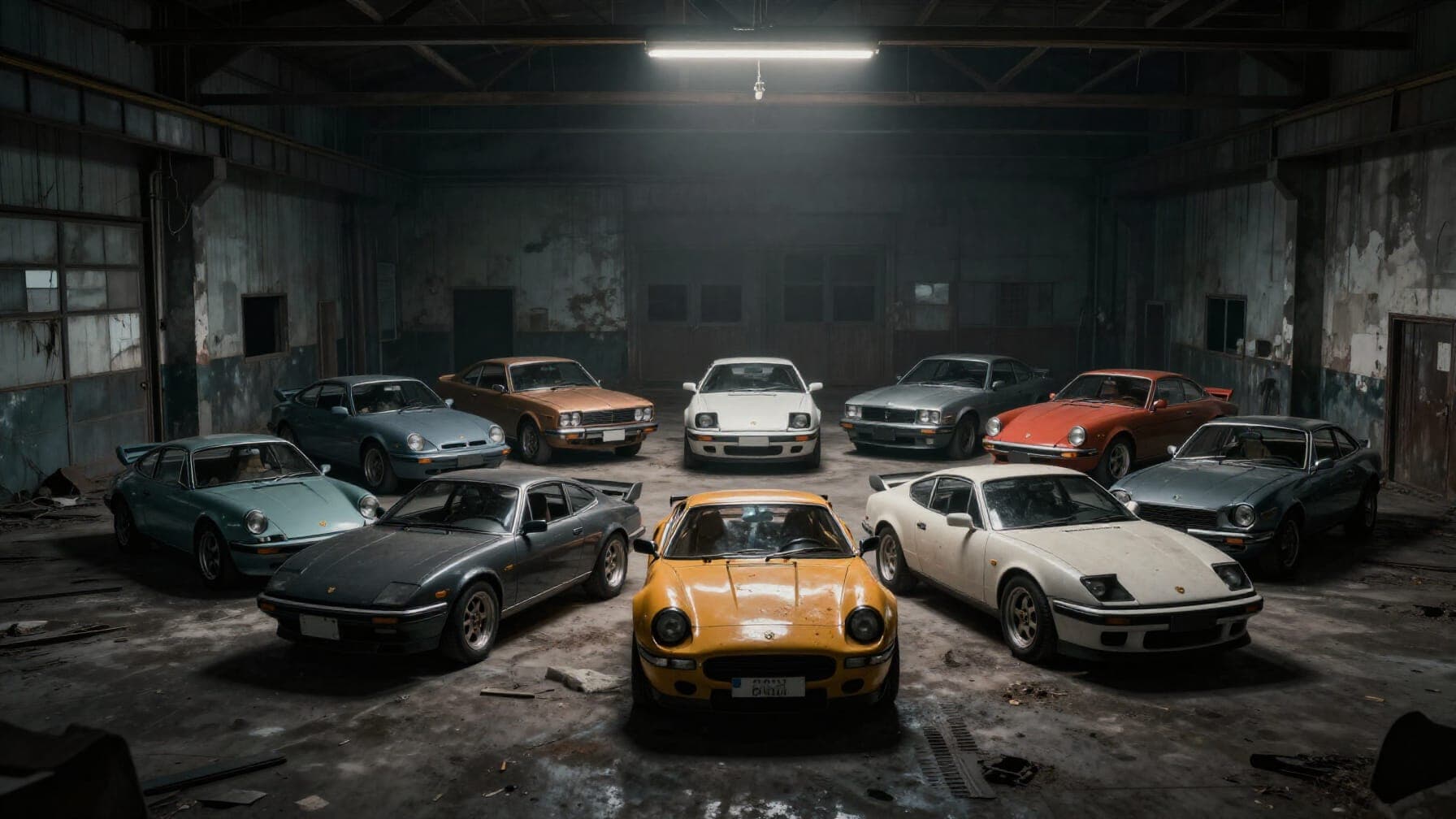
A dramatic collage of automotive failures including the Ford Edsel, Cadillac Cimarron, and DeLorean DMC-12 in a dim industrial garage
10 Cars That Almost Killed Their Brand
Every automaker has a dark chapter. A model so disastrous, so poorly conceived, or so tragically timed that it threatened to bring down the entire company. These are the cars that cost billions, destroyed reputations, and in some cases, killed brands that had existed for decades.
This is not a list of simply bad cars. These are the vehicles that came close to destroying everything their makers had built. The stories behind them are filled with hubris, mismanagement, bad luck, and sometimes, outright fraud.
Let us examine the ten cars that almost killed their brands.
1. Ford Edsel (1958-1960)
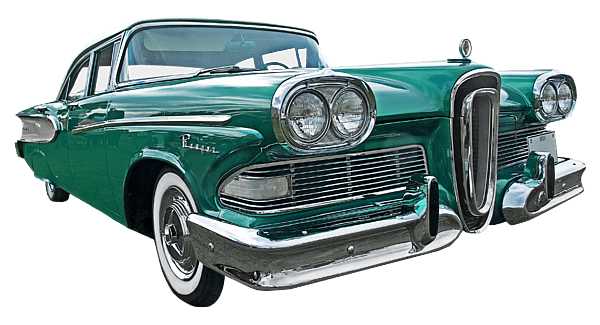 The Ford Edsel, infamous for its horsecollar grille and billion-dollar failure
The Ford Edsel is the gold standard of automotive failure. It is so synonymous with disaster that the name itself became a punchline for any failed product. Ford invested more than $250 million in the Edsel project, a sum that would be worth billions in today's money.
The Grand Ambition of the Edsel
Ford wanted to create a new mid-priced brand to compete with General Motors. The Edsel was supposed to fill the gap between Ford and Mercury. The launch was the most anticipated in automotive history. On September 4, 1957, Ford held what they called "E Day." More than 3 million people visited showrooms across the United States to see the new car.
The hype was immense. Ford had spent years developing the Edsel. They had conducted extensive market research, testing everything from the name to the styling. The car was supposed to be a triumph of American automotive engineering.
The Horsecollar Grille Disaster
The Edsel arrived with a feature that would define its legacy. The front grille was a vertical, horse-collar shaped opening that was immediately ridiculed. It looked like a toilet seat to some, a horseshoe to others. The design was so polarizing that it overshadowed the car itself.
The name "Edsel" was also a problem. It was the name of Henry Ford's son, and it was chosen after extensive research. But the public hated it. It sounded strange and awkward. One wag joked that the name sounded like a combination of "hard sell" and "Edsel" was a failure.
Quality Issues and Recession Timing
The Edsel had mechanical problems from the start. The cars were rushed to market, and quality control was poor. The engine was underpowered, and the transmission was clunky. Early models suffered from a range of issues that damaged the car's reputation.
The timing could not have been worse. The Edsel launched in the midst of a recession. The American public was not in the mood for an expensive, unproven new brand. Sales were sluggish from the start. Ford produced nearly 65,000 Edsel cars, but they sold only about 64,000. The company lost more than $350 million on the project.
The Edsel's Final Reckoning
Ford killed the Edsel brand in 1960 after just three model years. The name became shorthand for any product that fails spectacularly. The Edsel is still referenced today as the ultimate example of corporate hubris and marketing failure.
The Edsel did not kill Ford, but it came close. The company nearly went bankrupt in the late 1950s. The Edsel was a massive financial drain that almost destroyed one of America's largest automakers.
2. Cadillac Cimarron (1981-1988)
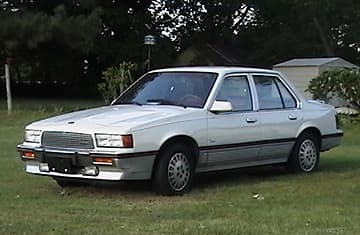 The Cadillac Cimarron, a rebadged Chevrolet Cavalier that nearly destroyed Cadillac's luxury reputation
The Cadillac Cimarron is the car that nearly destroyed the prestige of one of America's most iconic luxury brands. Cadillac had long been the standard of American luxury. But in the 1970s, the brand was struggling. The oil crisis had made large V8 sedans unpopular. Gas prices were soaring. Customers were switching to smaller, more efficient European cars.
Cadillac needed a new direction. The Cimarron was supposed to be that direction.
The Cimarron's Badge Engineering Disaster
Instead of developing a new car, Cadillac took a Chevrolet Cavalier, gave it a Cadillac badge, and called it the Cimarron. The decision was pure badge engineering, and it was a disaster.
The Cavalier was a compact economy car. It had a four-cylinder engine, a three-speed automatic transmission, and a basic interior. Cadillac added leather seats and a few luxury touches. Then they doubled the price.
The Customer Fury Over the Cimarron
Customers were not fooled. They knew they were paying Cadillac prices for a Chevrolet product. The Cimarron became a punchline in the automotive world. The car had no prestige, no performance, and no reason to exist.
Cadillac initially tried to market the car as "Cimarron, by Cadillac." It was a clumsy attempt to distance the car from the brand. When that failed, Cadillac relented and called it a Cadillac. But the double-talk infuriated customers.
How the Cimarron Damaged Cadillac
The Cimarron damaged Cadillac's reputation in ways that took decades to repair. The brand had been the gold standard of American luxury. After the Cimarron, that reputation was shattered.
Younger buyers were turned off by the cheapness of the product. Older buyers felt betrayed by the brand's desperation. The Cimarron nearly killed Cadillac's prestige as a luxury brand.
Cadillac's Slow Recovery From the Cimarron
Cadillac eventually recovered from the Cimarron, but the brand never fully regained its status as the pinnacle of American luxury. Today, Cadillac is still struggling to compete with BMW, Mercedes, and Lexus. The Cimarron is a cautionary tale about the dangers of badge engineering and the importance of preserving brand identity.
3. Pontiac Aztek (2000-2005)
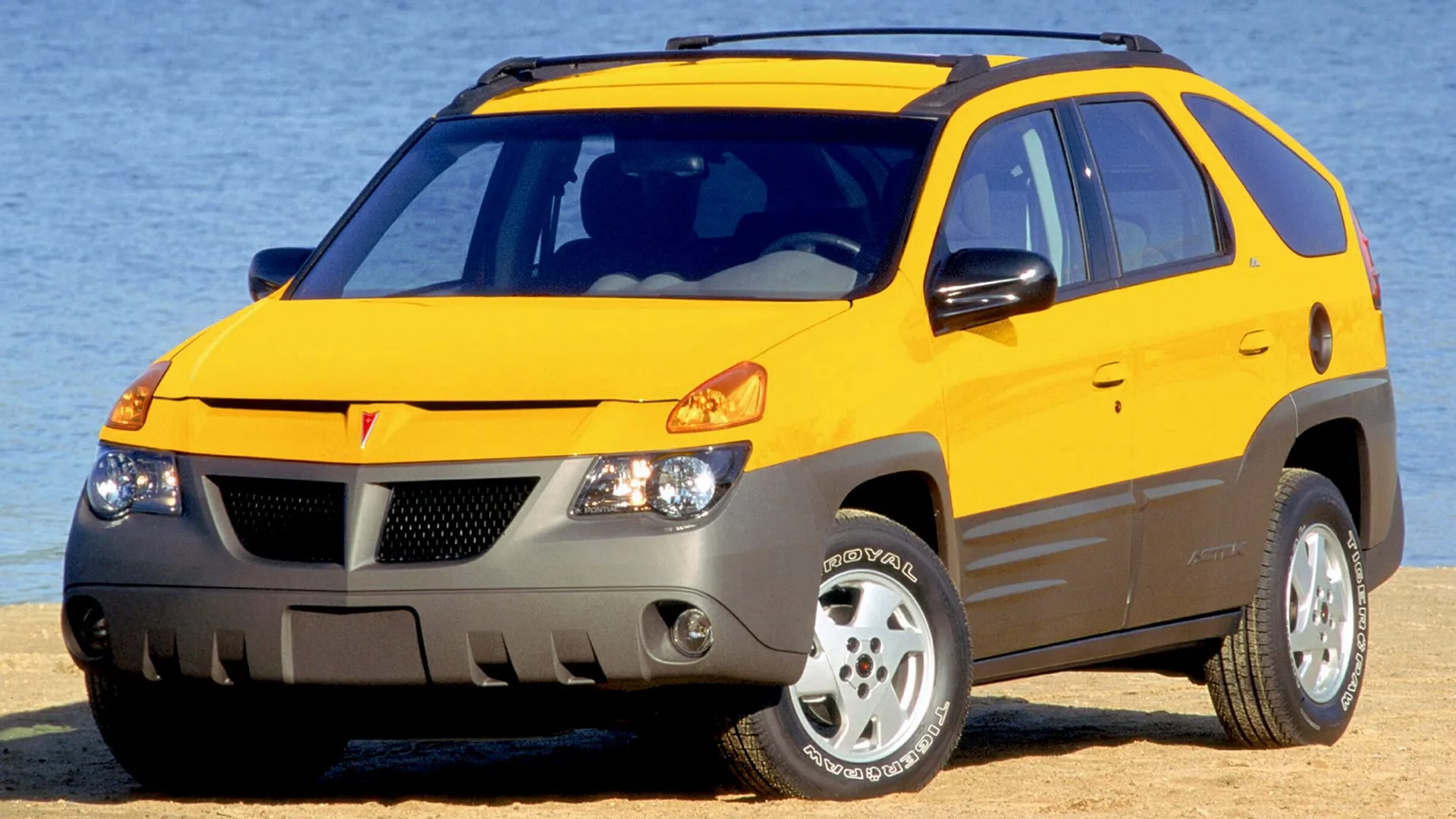 The Pontiac Aztek, famously ugly and a symbol of GM's struggles in the early 2000s
The Pontiac Aztek is one of the most famously ugly cars ever built. But the ugliness was not the problem. The real problem was that the Aztek was a symbol of everything wrong with General Motors in the early 2000s.
Pontiac's Bold Aztek Experiment
Pontiac was supposed to be GM's performance division. The brand was known for muscle cars like the GTO and Firebird. But by the late 1990s, Pontiac was struggling. The brand needed a new direction. The Aztek was supposed to be that direction.
The Aztek was designed to be a crossover, a new type of vehicle that combined the utility of an SUV with the fuel economy of a sedan. The design was polarizing from the start. The car had awkward proportions, with mismatched body panels and stacked headlights. The gray plastic body cladding was cheap and ugly. The rear hatch was oddly shaped.
The Aztek's Commercial Disaster
The Aztek was a commercial disaster. Pontiac had hoped to sell 30,000 units per year. In its first year, the car sold just 11,000 units. Sales never recovered. The Aztek was a punchline on late-night television and in popular culture.
The car was not all bad. It had a practical interior, a removable cooler, and a tent attachment. It had excellent visibility and good ground clearance. But none of that mattered. The car was so ugly that nobody wanted to be seen in it.
How the Aztek Destroyed Pontiac's Reputation
The Aztek accelerated Pontiac's decline. The brand was already struggling when the Aztek arrived. The failure of the Aztek made things worse. Pontiac's reputation was damaged beyond repair.
General Motors killed the Pontiac brand in 2010. The Aztek was not the only reason, but it was a major factor. The Aztek became a symbol of a company that had lost its way.
The Aztek's Ironic Breaking Bad Legacy
The Aztek gained a cult following after it appeared in the hit television show Breaking Bad. The show's protagonist, Walter White, drove an Aztek. The car became a symbol of his character's desperation and mediocrity. The Aztek's ironic fame was too little, too late.
4. DeLorean DMC-12 (1981-1982)
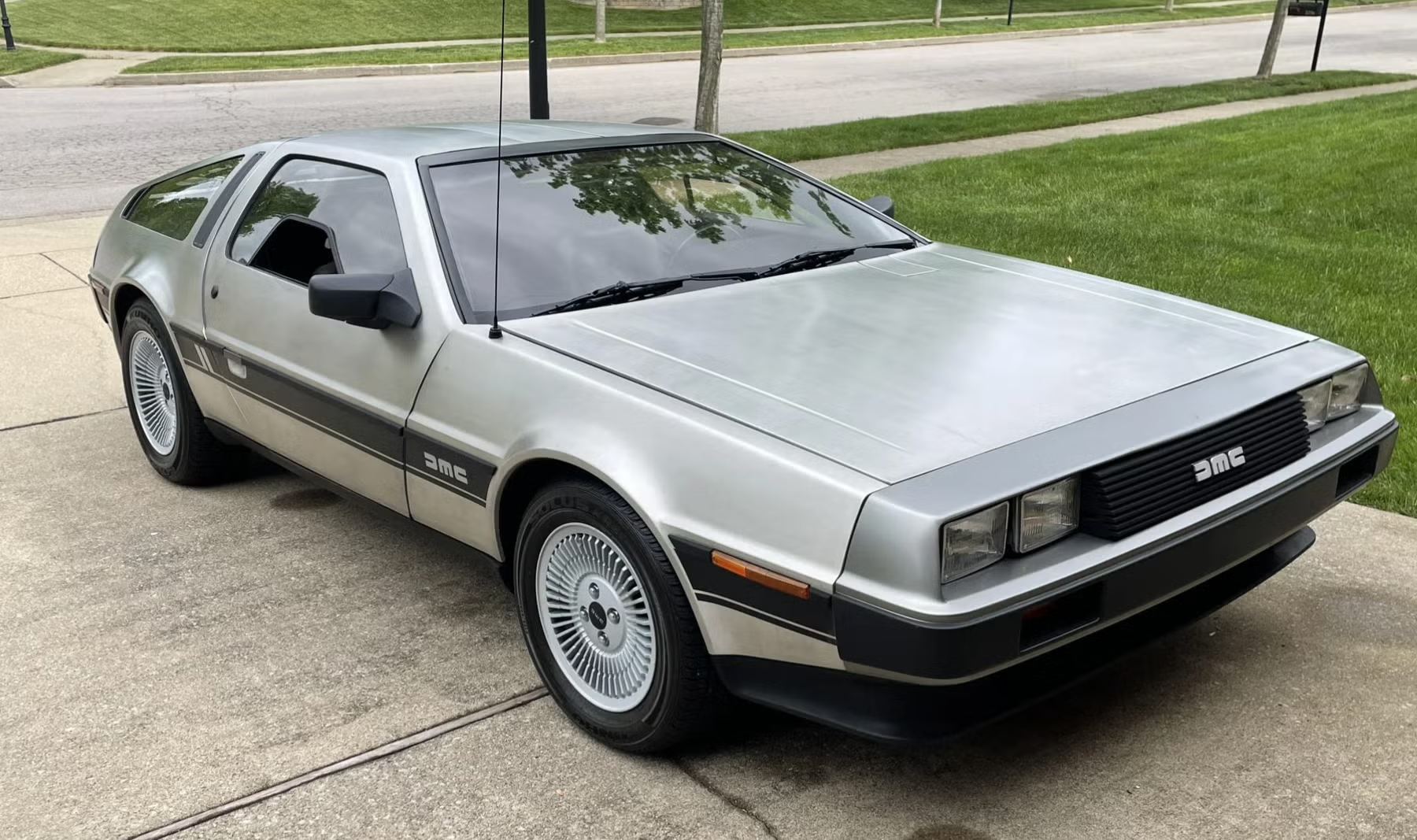 The DeLorean DMC-12, a stainless steel gull-wing car that became a cultural icon after the company died
The DeLorean DMC-12 is one of the most iconic cars in automotive history. Its stainless steel body and gull-wing doors made it look like a car from the future. But the company behind it was a disaster.
John DeLorean's Visionary Dream
John Z. DeLorean was a former General Motors executive with a dream. He wanted to build an ethical sports car, a vehicle that would be both exciting and socially responsible. He raised millions of dollars from investors, including celebrities like Johnny Carson.
The DMC-12 was born from this vision. The car was designed by Giorgetto Giugiaro, one of the most famous automotive designers in history. The stainless steel body was innovative. The gull-wing doors were dramatic. The car looked like nothing else on the road.
The DeLorean's Financial Nightmare
The DeLorean Motor Company was perpetually on the brink of collapse. The cars were expensive to produce. The assembly plant in Northern Ireland was plagued by delays and quality issues. The company was burning through cash at an alarming rate.
DeLorean tried to raise more money, but investors were skeptical. In 1982, DeLorean was arrested by the FBI for conspiring to distribute $24 million of cocaine. The arrest was a sensational news story. DeLorean claimed he was entrapped by the FBI. He was found not guilty in 1984 on grounds of entrapment, but the scandal had already destroyed his company.
The DeLorean Company's Collapse
The DeLorean Motor Company went bankrupt in 1982. Only about 9,000 DMC-12s were ever produced. The company was dead, and the founder's reputation was destroyed.
The car itself survived. The DMC-12 was famously used as a time machine in the Back to the Future franchise. The movie made the car a cultural icon. But the company was gone. John DeLorean died in 2005, a tragic figure of ambition and failure.
The DeLorean's Enduring Pop Culture Legacy
The DeLorean is a reminder that even the most visionary ideas can fail due to financial mismanagement and personal scandal. The company was dead, but the car lived on in pop culture.
5. Pontiac G8 (2008-2009)
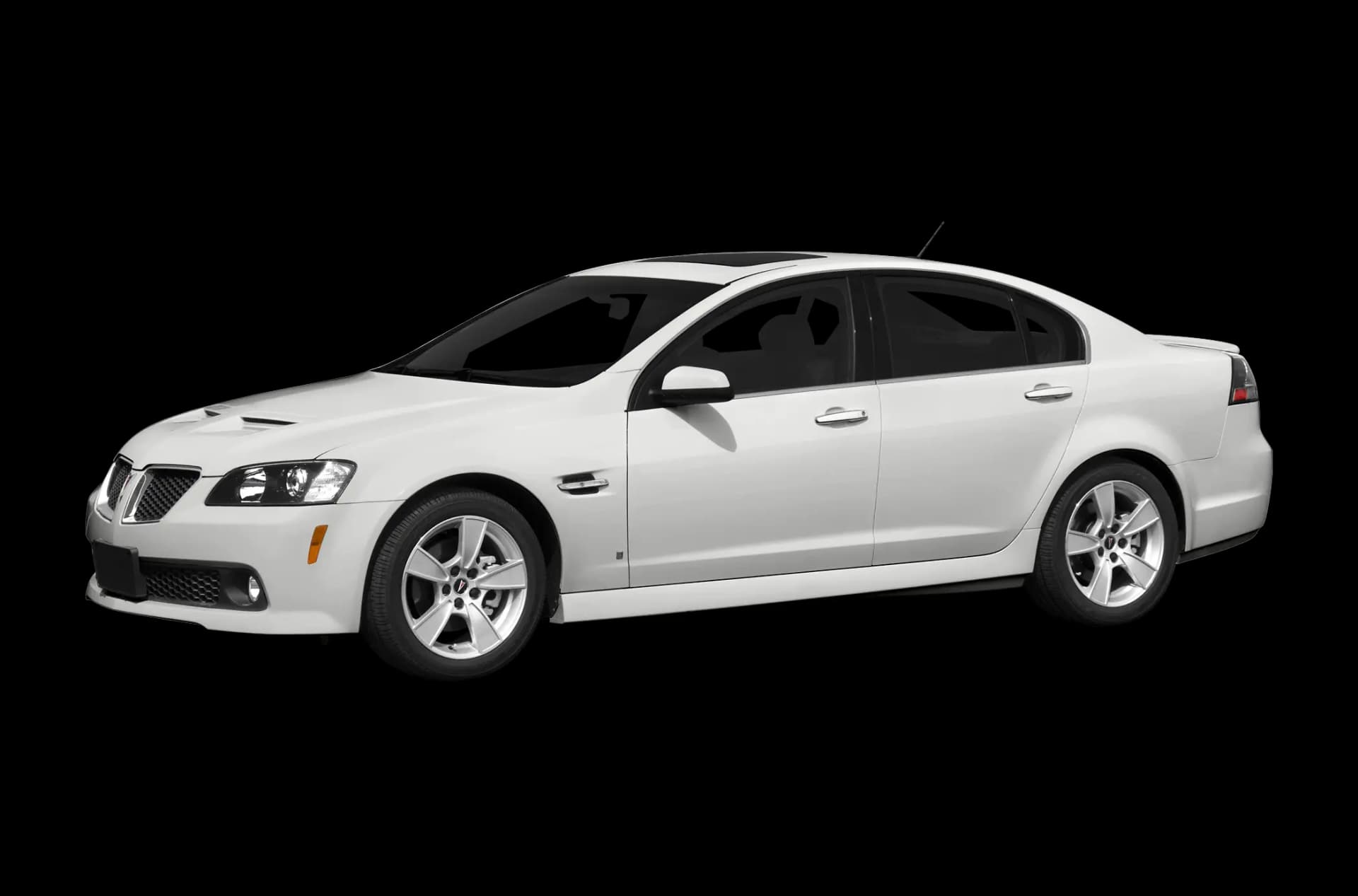 The Pontiac G8, a V8 sedan from Australia that arrived too late to save Pontiac
The Pontiac G8 is the car that was too good to save a dying brand. It was a four-door V8 sedan that was based on the Australian Holden Commodore. The car was powerful, well-built, and fun to drive. It was exactly what Pontiac needed.
The Australian Savior From Holden
Pontiac was in trouble by the late 2000s. The brand had been struggling for years. The G8 was supposed to be a savior. It was a rear-wheel-drive sedan with a V8 engine, a car that would remind buyers of Pontiac's performance heritage.
The G8 was a great car. It had 361 horsepower and could go from zero to 60 in just over five seconds. The handling was sharp and the ride was comfortable. The interior was well-appointed. The car was everything Pontiac fans wanted.
The G8's Terrible Launch Timing
The G8 launched in 2008. It was the worst possible time. The global financial crisis was hitting the auto industry hard. Gas prices were soaring. Buyers were abandoning large sedans for smaller, more fuel-efficient vehicles.
Pontiac sold only about 13,000 G8s in 2008. More than 11,000 cars were left unsold in inventory. The car was a commercial disaster, not because it was bad, but because the timing was terrible.
The G8's Inability to Save Pontiac
General Motors killed the Pontiac brand in 2010. The G8 was unable to save it. The car was too little, too late. The last G8 rolled off the line on June 19, 2009. Pontiac was dead by the following year.
The G8 is a cautionary tale about the importance of timing. A great car can fail if it launches at the wrong time. The G8 was a brilliant car that arrived at the worst possible moment.
6. Oldsmobile Aurora (1995-2003)
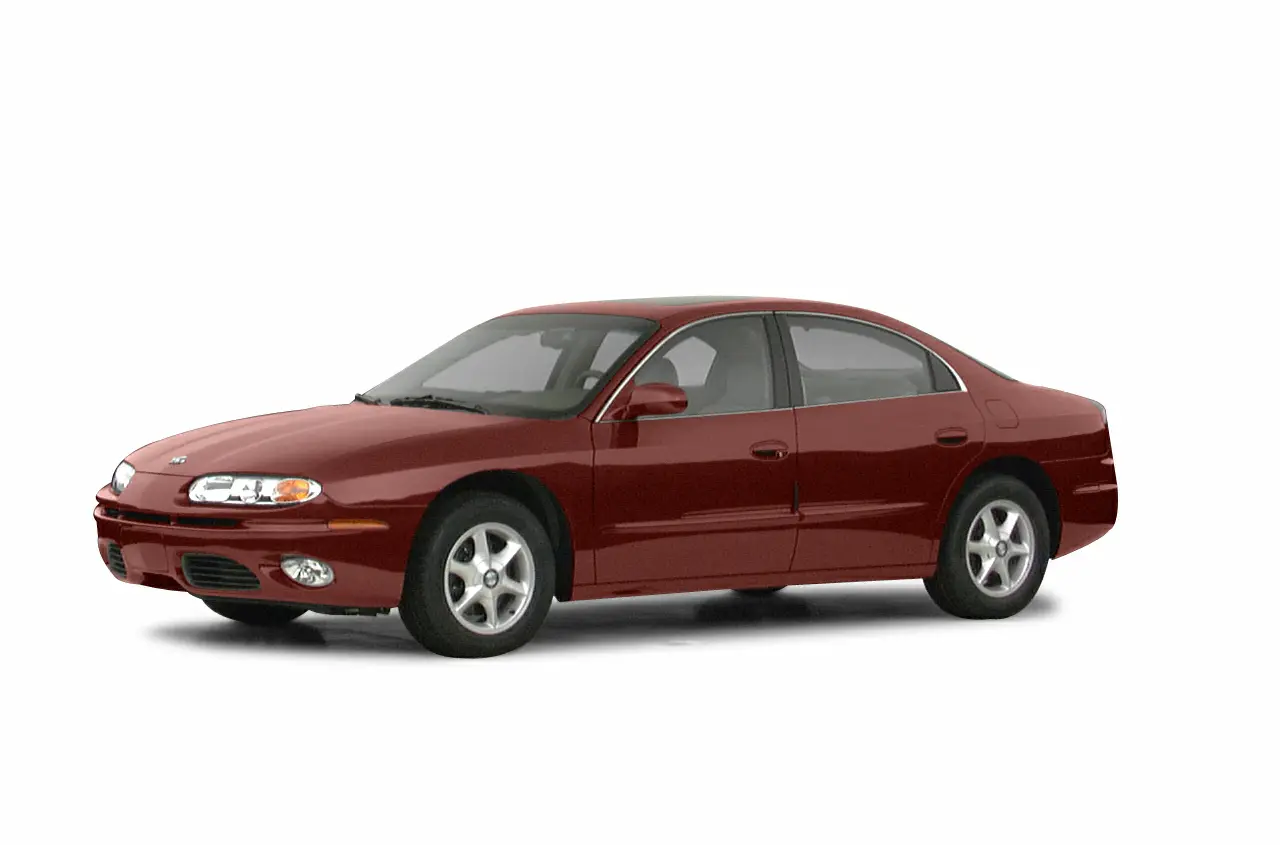 The Oldsmobile Aurora, a Hail Mary that failed to save America's oldest car brand
Oldsmobile was America's oldest car brand. The company was founded in 1897, and it had survived for a century. But by the 1990s, Oldsmobile was struggling.
Oldsmobile's Aging Image Problem
Oldsmobile had a reputation as a brand for older drivers. The cars were stodgy and conservative. Young buyers were not interested. General Motors needed to change the brand's image. The Aurora was supposed to be the car that did that.
The Aurora was a large sedan that was designed to compete with BMW, Mercedes, and Lexus. It had a sleek design, a powerful engine, and a luxurious interior. The car was well-reviewed. It was a sign that Oldsmobile was serious about reinventing itself.
The Aurora's Failed Hail Mary
The Aurora was supposed to save Oldsmobile. But it wasn't enough. The car was too expensive, and buyers were still skeptical of the brand. Oldsmobile's sales continued to decline.
GM had already invested heavily in the Aurora. The car was a Hail Mary, a desperate attempt to save a failing brand. It didn't work. Oldsmobile's sales continued to slide.
Oldsmobile's Final Chapter
General Motors killed the Oldsmobile brand in 2004. The Aurora had failed to save it. America's oldest car brand was gone.
The Aurora is a reminder that even a great car cannot save a brand that has lost its way. Oldsmobile had been in decline for decades. The Aurora was too little, too late.
7. Scion FR-S (2012-2016)
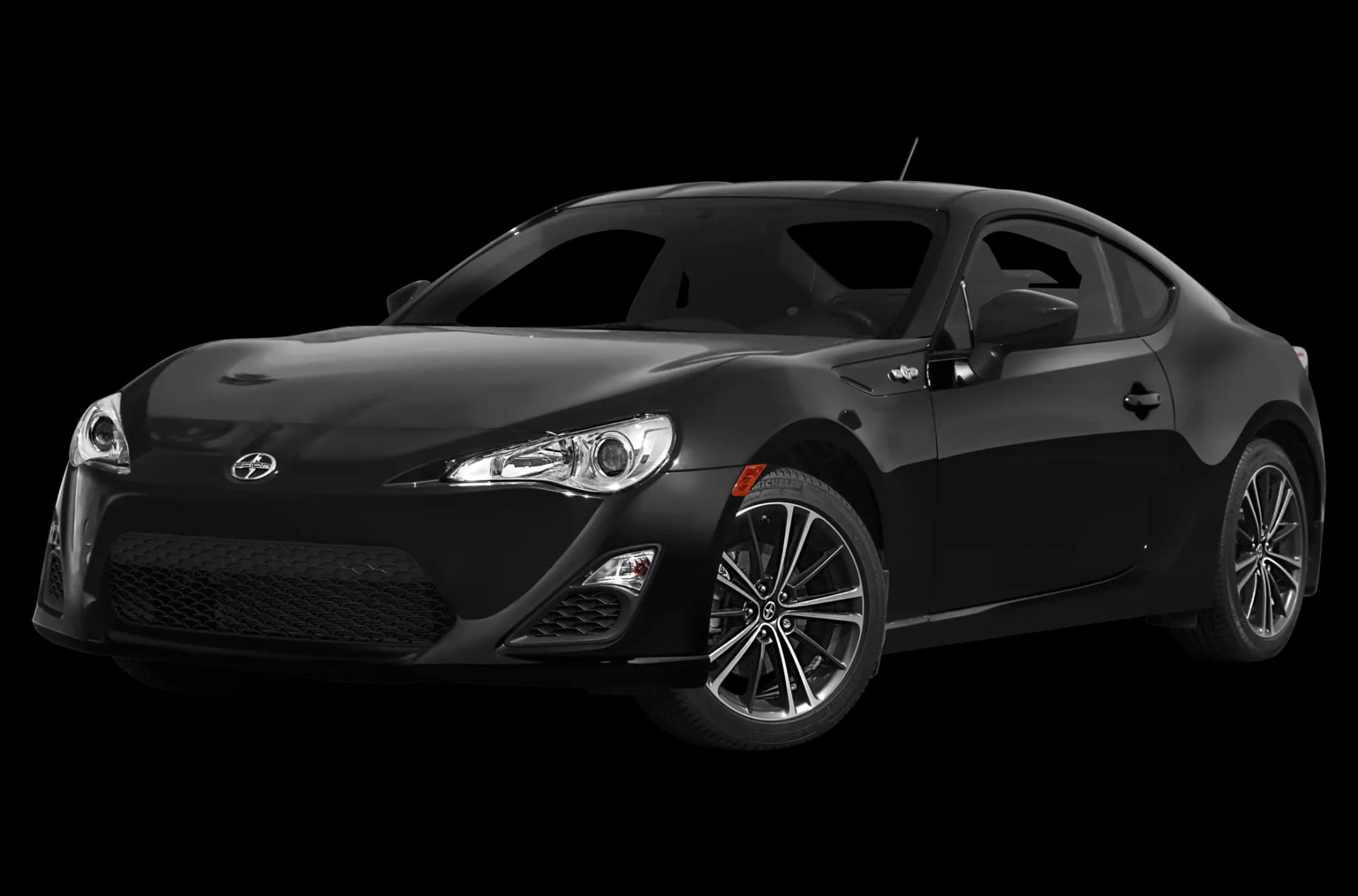 The Scion FR-S, a sports coupe that cannibalized its own brand's sales
Toyota created Scion in 2003 to appeal to young buyers. The brand was supposed to be youthful, affordable, and fun. For a while, it worked. But by 2010, Scion was in trouble.
Scion's Growing Brand Crisis
Scion was struggling to attract young buyers. The brand's lineup was aging. The tC coupe and the xB boxy sedan were no longer exciting. Toyota needed something new to revive Scion. The FR-S was supposed to be that car.
The FR-S was a rear-wheel-drive sports coupe that was developed with Subaru. The car was light, nimble, and fun to drive. It was exactly what young buyers wanted.
The FR-S Cannibalization Problem
The FR-S was a great car. But it was also a rebadged Toyota 86. Instead of bringing in new buyers, the FR-S cannibalized sales of Scion's own tC coupe. Few Scion customers ever graduated to Toyota or Lexus.
The FR-S was a success in terms of reviews, but a failure in terms of brand building. The car was a sign that Scion had lost its identity. The brand was no longer relevant.
The End of Scion
Toyota killed the Scion brand in 2016. The FR-S had failed to save it. Scion was gone after just 13 years.
The FR-S is a reminder that a great car cannot save a brand that is cannibalizing itself. Toyota had created a brand that was competing with its own products. The FR-S was a symptom of that problem.
8. Triumph TR8 (1978-1981)
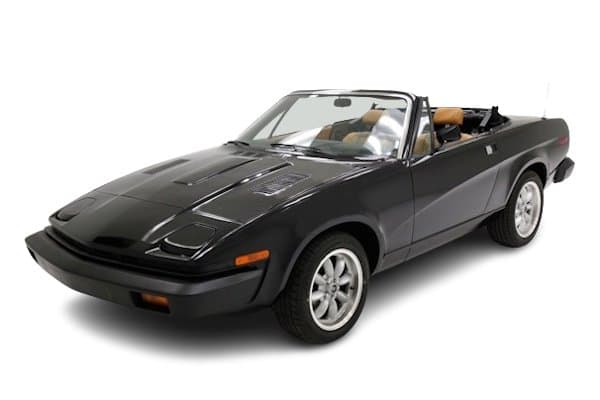 The Triumph TR8, a V8 sports car that arrived too late to save a legendary British brand
Triumph was a legendary British sports car brand. The company had been building cars since 1885. But by the 1970s, Triumph was struggling.
British Leyland's Incompetent Management
Triumph was part of British Leyland, a state-owned automaker that was a disaster. The company was plagued by strikes, quality issues, and mismanagement. The TR7 was pushed into the American market to keep the brand alive.
The TR7 was a decent car, but it wasn't exciting. Triumph needed something better. The TR8 was supposed to be that car.
The Triumph TR8's V8 Revelation
Triumph stuck a Rover V8 under the hood and called it the TR8. The car was a revelation. It had 145 horsepower and could go from zero to 60 in under eight seconds. The handling was sharp, and the exhaust note was glorious.
The TR8 was a great car. It did well in U.S. motorsport. But only 2,750 were sold. The car was too expensive, and British Leyland's reputation was already ruined.
The Death of Triumph
Triumph sputtered out in 1984. The brand was dead after nearly a century. The TR8 was unable to save it.
The TR8 is a reminder that even a great car cannot save a brand that is in the hands of incompetent management. British Leyland's mismanagement destroyed Triumph.
9. Jaguar X-Type (2001-2009)
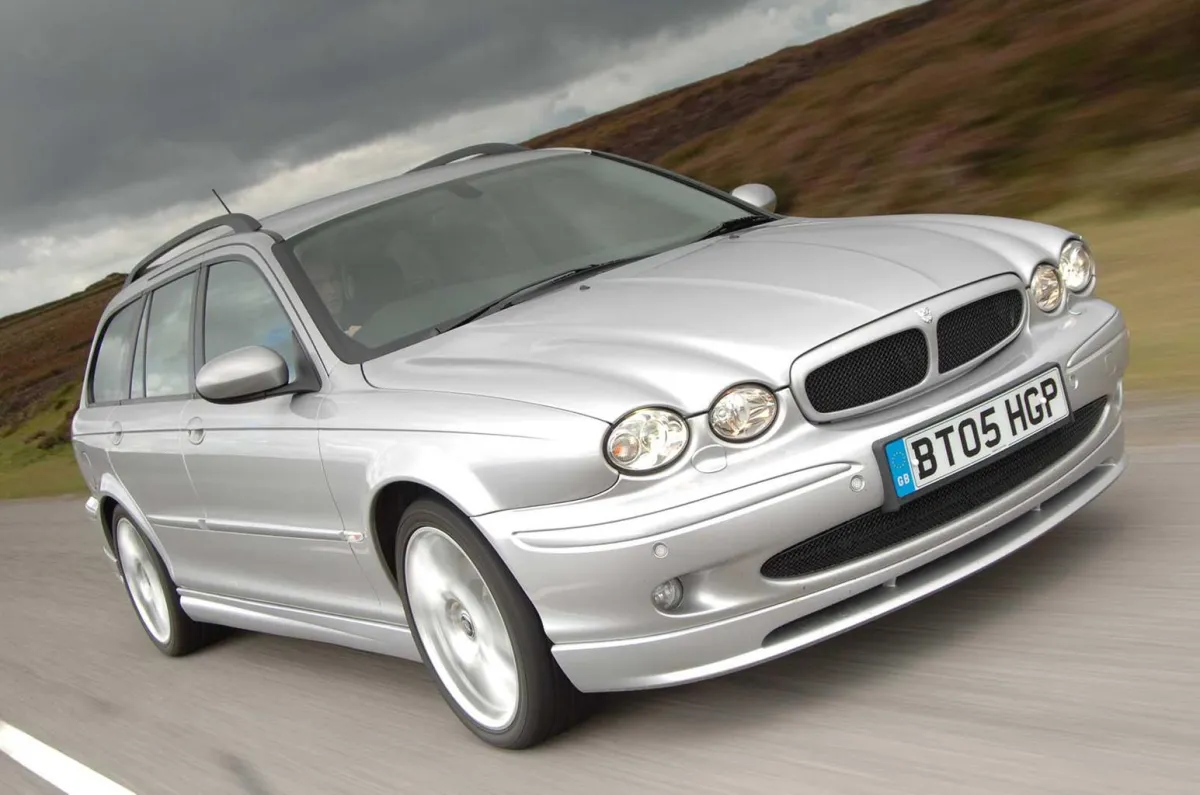 The Jaguar X-Type, a Ford Mondeo with Jaguar badges that damaged a prestigious brand
Jaguar was one of Britain's most prestigious luxury brands. But by the 1990s, the brand was struggling. Ford bought Jaguar in 1989, and the company needed to expand its lineup to survive.
The X-Type's Mondeo in a Tuxedo
The X-Type was a Ford Mondeo with Jaguar badges. The car was supposed to bring Jaguar into the premium compact sedan segment. But buyers were not fooled. They knew they were paying Jaguar prices for a Ford product.
The X-Type had quality issues. The clutch was heavy, the engine stalled, and the automatic gearbox was problematic. The car was not the luxury vehicle that buyers expected.
How the X-Type Damaged Jaguar
The X-Type damaged Jaguar's reputation. The brand had been known for building cars that were elegant, powerful, and exclusive. The X-Type was none of those things. It was a cheap imitation that insulted the intelligence of buyers.
Jaguar's prestige took a hit. The brand never fully recovered its elite status. Today, Jaguar is trying to pivot to an all-electric lineup. The X-Type is a reminder that cheapening a brand can have long-lasting consequences.
The X-Type's Lasting Impact on Jaguar
The X-Type is a cautionary tale about the dangers of badge engineering. Jaguar had spent decades building a reputation for excellence. One bad car nearly destroyed it.
10. GM EV1 (1996-1999)
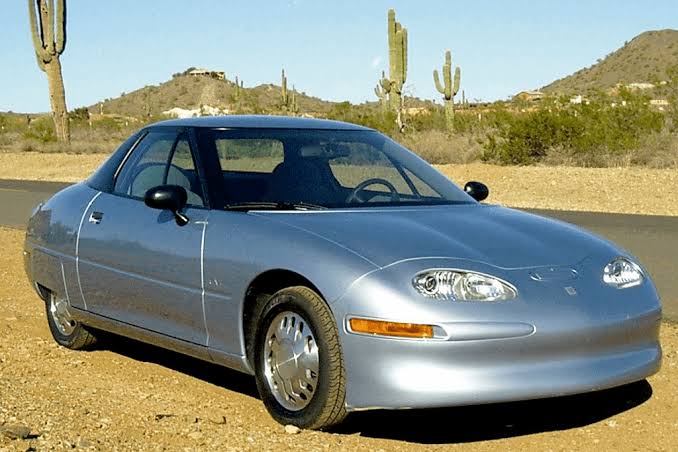 The GM EV1, a pioneering electric vehicle that was recalled and crushed
The GM EV1 is one of the most controversial cars in automotive history. It was a groundbreaking electric vehicle that General Motors recalled and crushed. The car was a lost opportunity that nearly destroyed GM's reputation.
The EV1's Electric Pioneer Status
General Motors was a leader in electric vehicles in the 1990s. The EV1 was the first modern mass-produced electric car. It was sleek, innovative, and ahead of its time. The car had a range of about 100 miles, which was impressive for the era.
The EV1 was only available in California and Arizona. It was a lease-only vehicle, and GM controlled it tightly. The car was a technological marvel, but it was also expensive. GM was losing money on every EV1.
The EV1's Recall and Destruction
After one year, GM recalled the EV1. The company claimed that the car was not viable for mass production. Critics claimed that GM bowed to pressure from the oil industry.
GM crushed most of the EV1s. The cars were destroyed, and the program was canceled. The decision was a public relations disaster. GM was accused of suppressing technology that could have changed the world.
GM's Bankruptcy After the EV1
GM went bankrupt in 2009. The company had been struggling for years. The EV1 was a symbol of GM's failure to innovate. The company had killed a revolutionary car, and then it had gone bankrupt.
The EV1's Lost Opportunity
The EV1 is a reminder that killing innovation can be fatal. GM was a leader in EVs, and it threw away that leadership. Today, Tesla is the leader, and GM is playing catch-up.
The EV1 is the car that almost killed GM. It did not kill the company, but it was a symptom of the problems that led to bankruptcy.
What We Learned From These 10 Cars
These ten cars nearly destroyed the brands that built them. They failed for different reasons: bad timing, bad design, bad management, and bad luck.
The Ford Edsel was a marketing disaster that cost billions. The Cadillac Cimarron was badge engineering at its worst. The Pontiac Aztek was a design disaster that accelerated a brand's decline. The DeLorean DMC-12 was a financial disaster and a founder's scandal. The Pontiac G8 was a great car that arrived at the wrong time. The Oldsmobile Aurora was a Hail Mary that failed. The Scion FR-S cannibalized its own brand. The Triumph TR8 was too little, too late. The Jaguar X-Type damaged a prestigious brand. The GM EV1 was a lost opportunity.
The auto industry is ruthless. One bad car can destroy decades of reputation. These ten cars came close to destroying their brands.
You might also like:
- The 10 Most Controversial Cars Ever Made
- The Rise and Fall of Saab
- Top 10 Cars That Should Have Been Electric
Disclaimer: This article is for informational and entertainment purposes only. All product names, logos, and brands are property of their respective owners. The views expressed are those of the author and do not necessarily reflect the official policy or position of any other agency, organization, employer, or company.
Drift Team
Automotive historians and industry analysts