The 5 Most Epic Automotive Revenge Stories
In 1963, a man was humiliated. In 1966, he got his revenge. These are the 5 most epic automotive revenge stories ever told—tales of personal vendettas, corporate warfare, and glorious triumph.
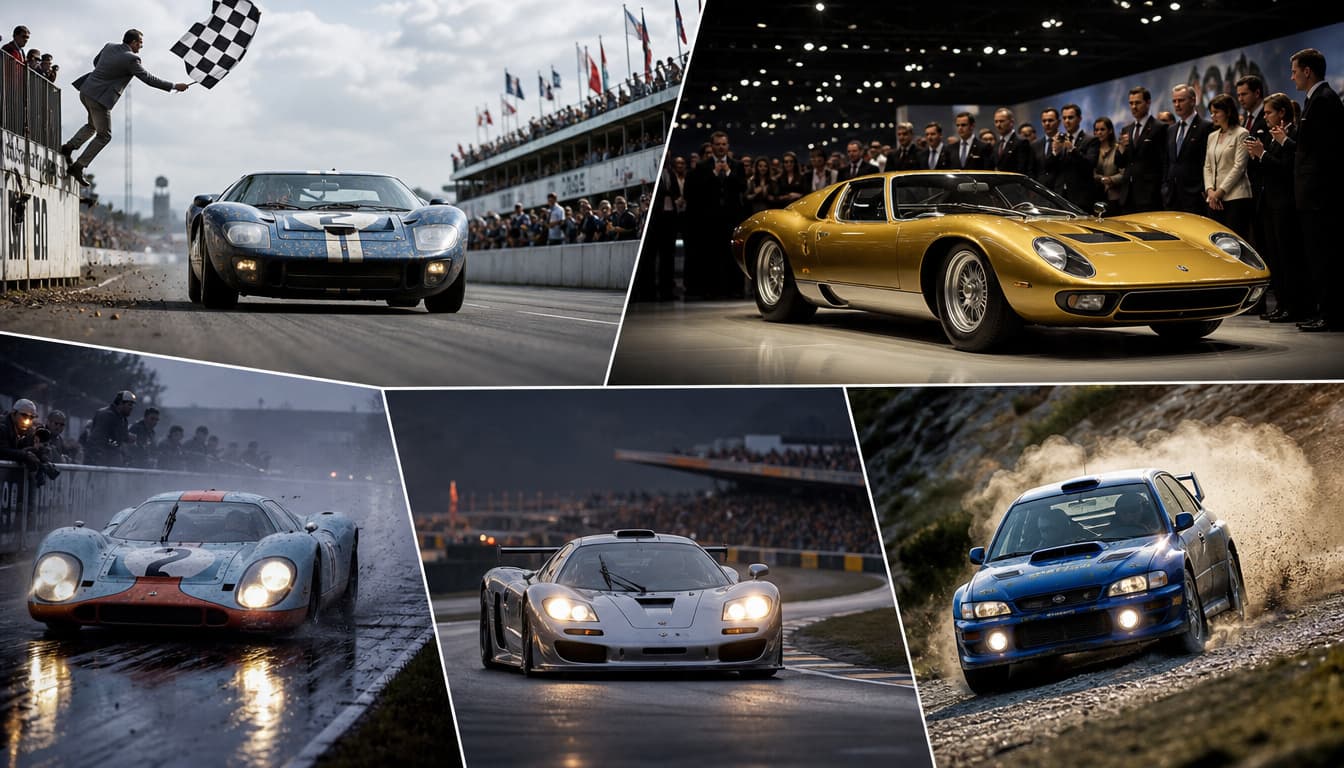
A dramatic collage showing the Ford GT40, Lamborghini Miura, Porsche 917, McLaren F1, and Subaru Impreza in moments of triumph
The 5 Most Epic Automotive Revenge Stories
In 1963, a man was humiliated. In 1966, he got his revenge. And in the process, he created one of the most legendary cars in automotive history.
The Ford GT40 was built for one purpose: to beat Ferrari at Le Mans. Henry Ford II had been publicly humiliated by Enzo Ferrari, who walked away from a $10 million buyout deal at the last moment. Ford was furious. He wanted revenge. And he got it.
But the GT40 story is just one of many. Automotive history is filled with tales of personal vendettas, corporate warfare, and glorious triumph. This is the story of five of the most epic automotive revenge stories ever told.
1. The Godfather's Revenge — Ford GT40 vs. Ferrari
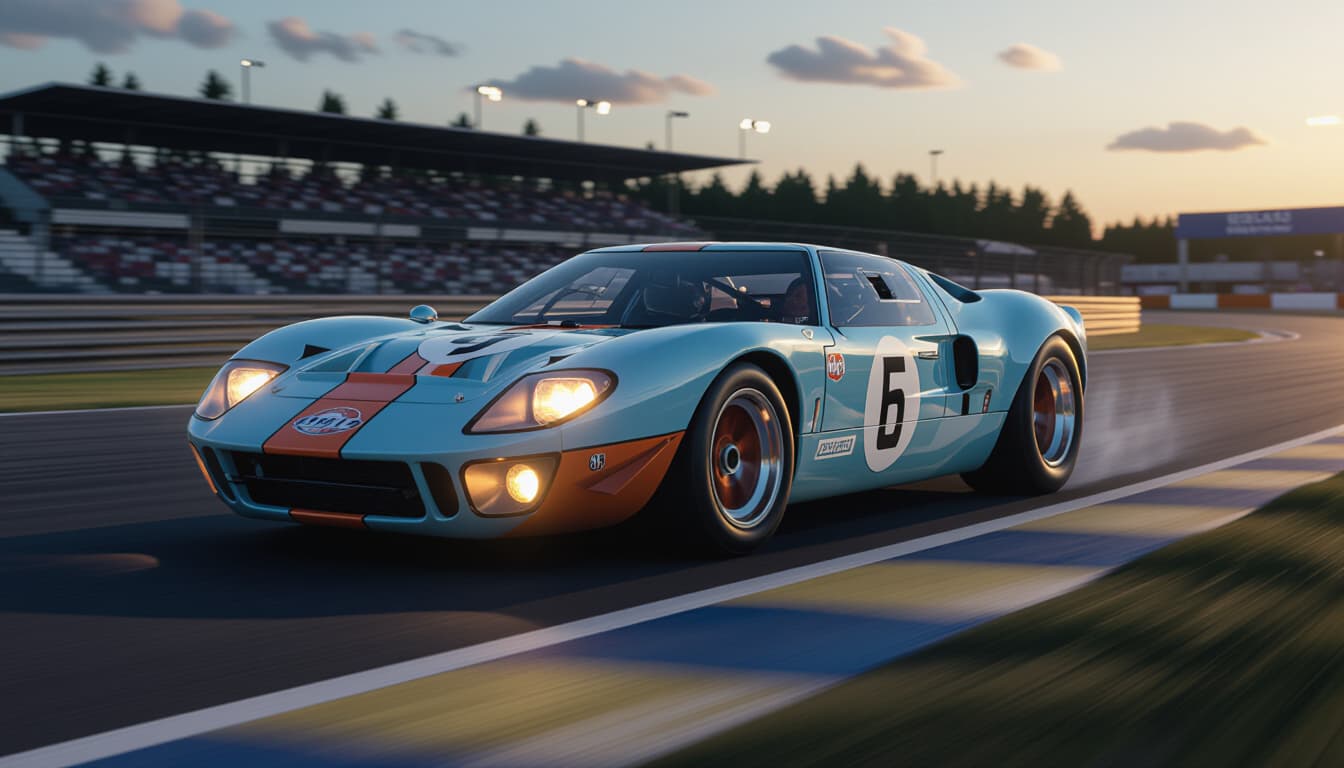 The Ford GT40, a car built for revenge
The Insult: In 1963, Henry Ford II was looking to expand his company's racing presence. He approached Enzo Ferrari with a $10 million buyout offer. The deal was almost done. Contracts were signed. Then, at the last moment, Ferrari walked away.
The reason was control. The contract required Ferrari to get Ford's approval for major expenditures. Enzo Ferrari could not accept that. He was a dictator. He would not be told what to do by anyone.
The Italian media backlash against selling to Americans also fueled his decision. Selling to Ford would have been seen as a betrayal of Italian pride. Enzo Ferrari could not bear the shame.
Henry Ford II was furious. He had been humiliated. He had been made to look like a fool. He reportedly told Don Frey, his head of advanced vehicle development: "You go to Le Mans, and beat his ass."
The GT40 program was born.
The Struggle: Ford had no racing division at the time. They had never built a purpose-built race car. They had no experience, no team, and no car.
They had seven months.
The first cars were rushed to completion. In 1964, all three GT40s retired from Le Mans with mechanical issues. In 1965, all the GT40s retired again. Ferrari was winning, and Ford was humiliated.
The Revenge: In 1966, everything changed. The Mk II was perfected. It featured a 7.0-liter V8 producing 485 horsepower and 475 lb-ft of torque. It was a brute force approach. American muscle for a European race.
Ford entered eight cars at Le Mans. Ferrari entered fourteen. The odds were against Ford.
The race started. The GT40s were fast. The Ferraris were fast. But the GT40s were relentless.
Hours passed. The Ferraris began to fail. One by one, they retired. The engines overheated. The transmissions failed. The drivers pushed too hard.
By the end of the race, all 14 Ferraris were parked. The GT40s took 1st, 2nd, and 3rd place. It was the most humiliating defeat in Ferrari's racing history.
Ford went on to win Le Mans for the next three years (1967, 1968, 1969). The GT40 became the only American car to win Le Mans.
The Controversy: The 1966 finish was controversial. Ken Miles was leading by four laps when Ford ordered him to slow down for a staged photo finish. The McLaren/Amon car was declared the winner because it had started farther back on the grid and covered more distance. Miles was robbed of a win he had earned.
"Carroll, you couldn't have done that to me," Miles told Shelby.
Miles never got his Le Mans win. He died later in 1966 while testing the Ford J-car at Riverside Raceway. His legacy is one of tragedy and triumph.
Why It's Epic: A personal vendetta between Henry Ford II and Enzo Ferrari. Complete domination of the world's most prestigious race. A tragic hero who was robbed of his victory.
2. The Tractor King's Revenge — Lamborghini vs. Ferrari
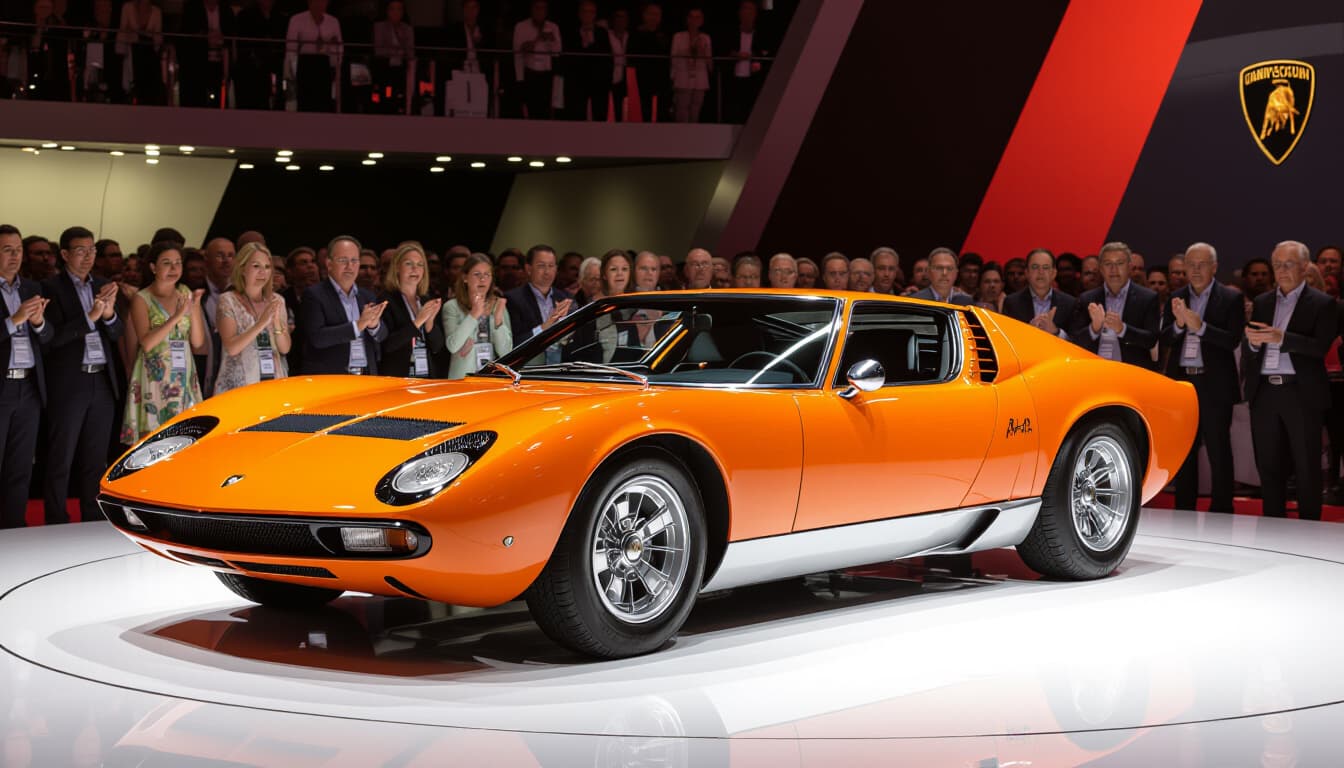 The Lamborghini Miura, the world's first supercar
The Insult: Ferruccio Lamborghini was a successful tractor manufacturer. He owned a Ferrari 250 GT, but the clutch kept failing. Being an engineer himself, he went directly to Enzo Ferrari to suggest a fix. Politely. Respectfully. Enzo looked at him and said: "Lamborghini. You stick to your tractors. Leave the Ferrari driving to Ferrari drivers."
The words were dismissive and insulting. Ferruccio was a proud man. He was also a wealthy industrialist who was not accustomed to being treated like a peasant.
The Revenge: Ferruccio was furious. Within 12 months, he had founded Automobili Lamborghini, built his factory just 30 kilometers from Ferrari's front door, and poached Ferrari's own engineers. His goal was simple: build a car that would make Ferrari look outdated.
In 1966, he unveiled the Miura at the Geneva Motor Show. The crowd was stunned. Nothing like it had ever been seen before.
The Miura had a mid-mounted V12 engine, a body so low it barely reached your waist, and a top speed of 280 kilometers per hour. It was the fastest production car in the world.
The automotive world was stunned. Ferruccio had done it. He had humiliated Ferrari.
The Legacy: The Miura is still considered one of the most beautiful cars ever made. Enzo Ferrari himself reportedly admitted that the Miura was a masterpiece. The Lamborghini brand went on to become one of the most prestigious in the world.
Why It's Epic: The insult was personal and humiliating. The revenge was immediate and spectacular. The Miura is still a legend over 50 years later.
3. The Longest Grudge — Porsche's First Le Mans Win
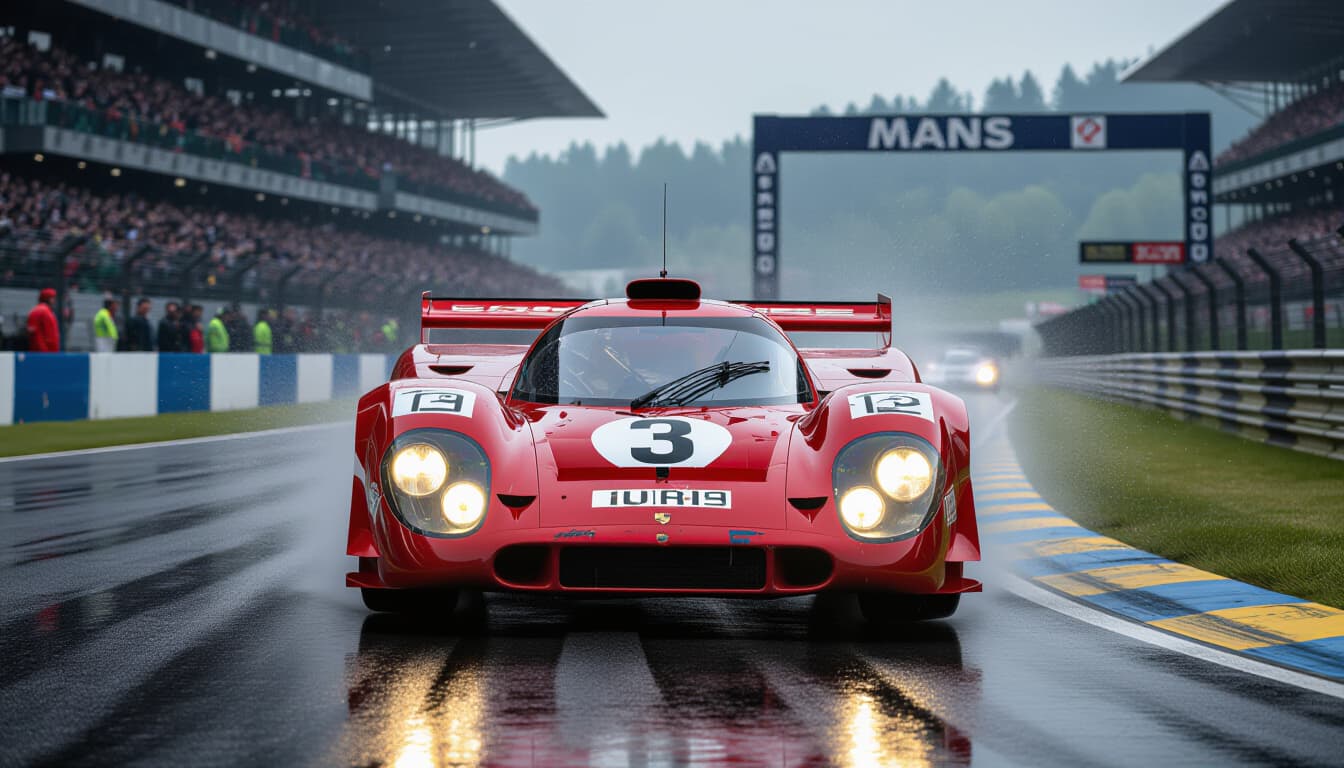 The Porsche 917, the car that ended Porsche's Le Mans heartbreak
The Insult: Porsche had been trying to win Le Mans since 1951. They had come close so many times. In 1969, they lost by just one second—the closest finish in Le Mans history.
The 917 was the fastest car on the track, but it was not yet stable enough. After a long lead, the 917s dropped out. The defeat was agonizing. The team had given everything, and it still wasn't enough.
The Struggle: The Porsche 917 was a difficult car to drive. It was notoriously unstable at high speeds. Drivers feared it. The car had a reputation for being dangerous.
But Porsche persisted. They refined the aerodynamics. They improved the chassis. They worked tirelessly to make the car not just fast, but reliable.
The Revenge: In 1970, the 917s were more reliable and capable of 380 kilometers per hour. For the entire race, one of the Porsche cars was at the head of the field. The major competitor from Italy, Ferrari 512 S, encountered bad luck. Most of the Ferraris were eliminated before the first half of the race, mainly due to collisions.
Hans Herrmann and Richard Attwood took the lead in a 917 entered by Porsche Salzburg. Herrmann had promised his wife: "I'll stop if I win." He was true to his word.
The victory was followed by another 18 successes by 2017. Porsche became the most successful manufacturer in Le Mans history.
Why It's Epic: Decades of heartbreak and near-misses. The emotional promise of a driver to his wife. The beginning of Porsche's Le Mans dynasty.
4. The Underdog's Revenge — McLaren F1 at Le Mans
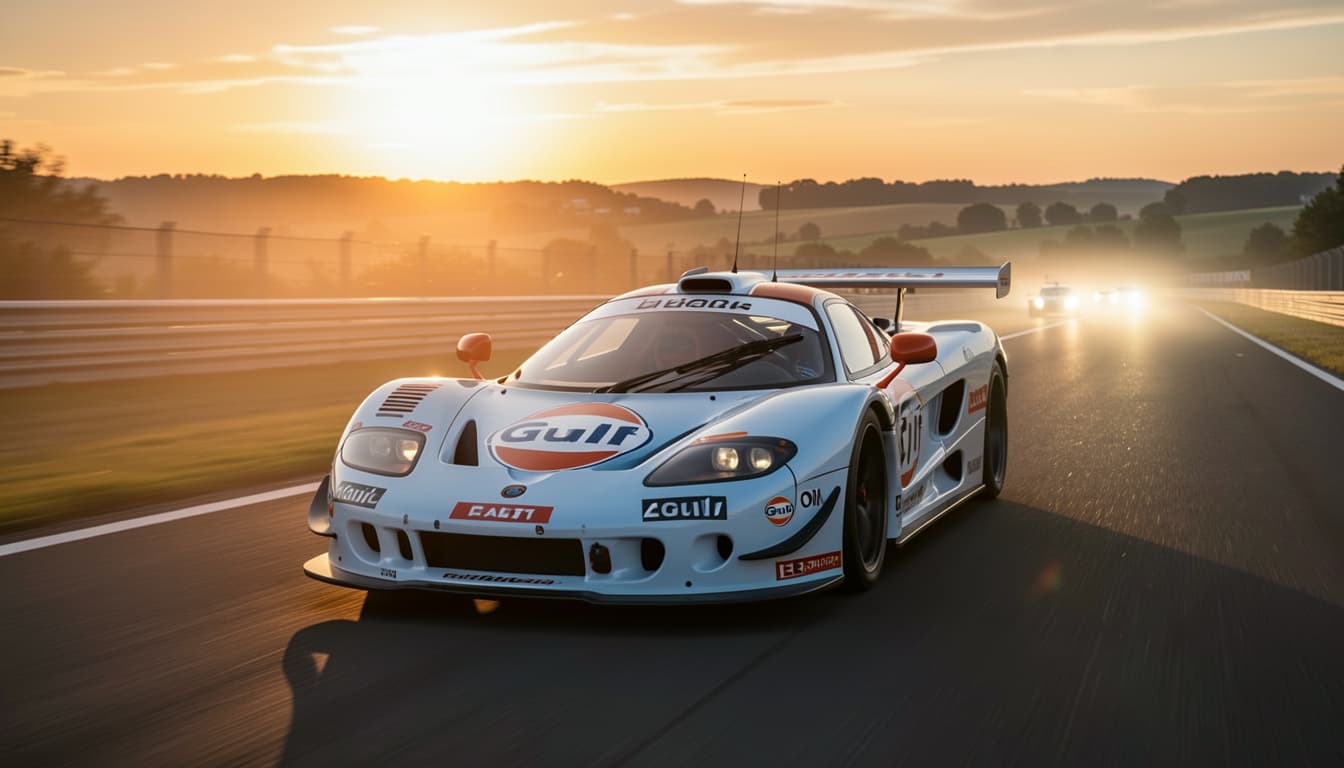 The McLaren F1, the road car that conquered Le Mans
The Insult: McLaren was a Formula 1 constructor with no racing pedigree at Le Mans. The F1 was designed as a road car, not a race car. When McLaren announced they would enter Le Mans, the establishment laughed. A road car competing against purpose-built prototypes? Impossible.
The Underestimate: The F1 was designed by Gordon Murray, a visionary engineer who believed that a road car could be the best car in the world. He built the F1 with a central driving position, a BMW V12 engine, and a lightweight carbon fiber chassis. It was a masterpiece.
But the establishment didn't take it seriously. It was a road car. It couldn't possibly compete against purpose-built prototypes. It was a nice idea, but it would never win.
The Revenge: In 1995, the McLaren F1 won Le Mans on its very first attempt. Not only that, McLaren cars took 1st, 3rd, 4th, and 5th place.
The race was expected to be won by a prototype car, but rain proved to be a leveler, and the F1s in the GT category shone. The winning car completed nearly 11.5 kilometers more than the second-placed car.
The victory completed McLaren's Triple Crown (Monaco, Indy 500, Le Mans). It was a triumph of engineering and determination.
Why It's Epic: The ultimate underdog story. A road car beating purpose-built prototypes. The victory completed McLaren's Triple Crown.
5. The Small Manufacturer's Revenge — Subaru's WRC Dominance
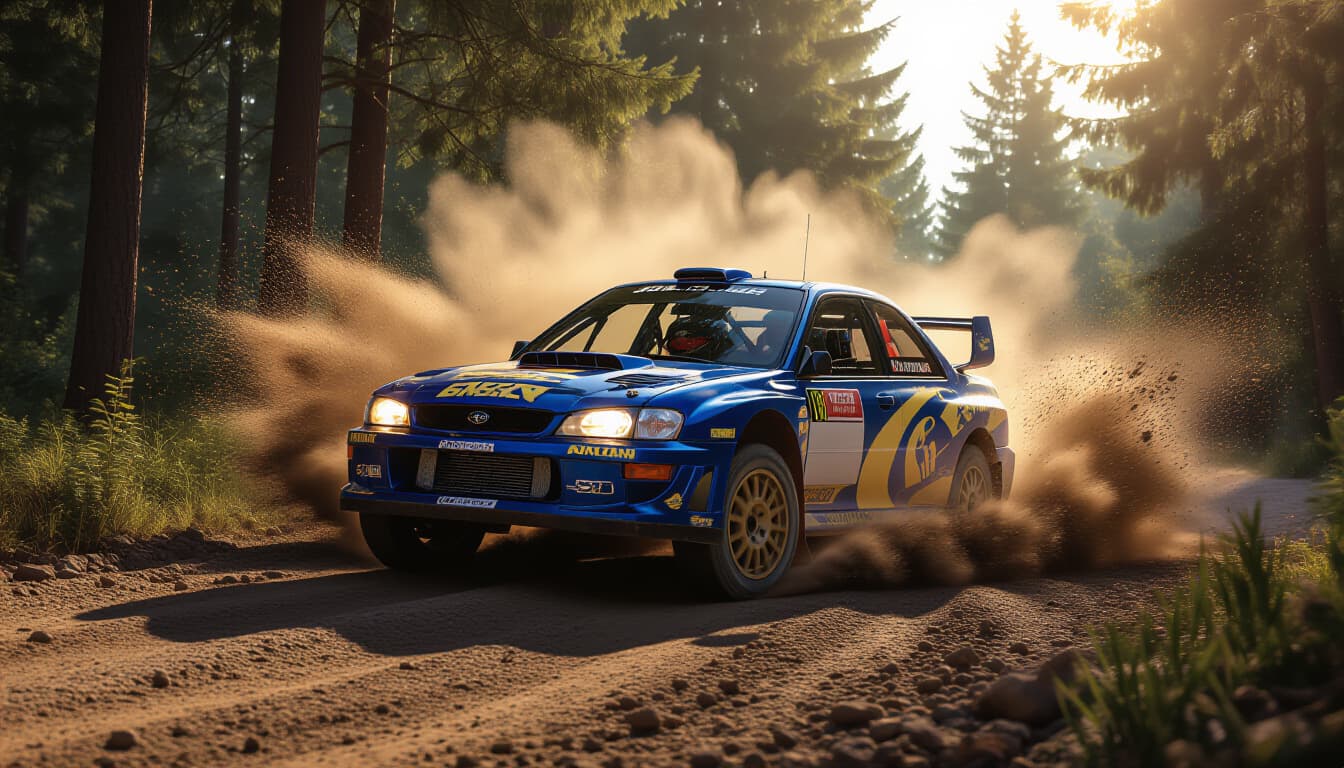 The Subaru Impreza 555, the car that conquered the WRC
The Insult: Subaru was a small Japanese manufacturer with no serious racing pedigree. They dabbled in the WRC in the 1980s with the Leone, but they were written off as a minor player. The establishment didn't take them seriously.
The Struggle: In 1990, Subaru entered the WRC with the Legacy RS, developed by Prodrive. It endured a slow start. The car was competitive, but it wasn't winning. The establishment continued to dismiss Subaru.
By 1993, Colin McRae won his first WRC event in New Zealand—a first and only win for the Legacy. Subaru knew they needed something more. They needed a car that was smaller, nimbler, and more competitive.
The Revenge: Subaru developed the Impreza WRX, and it worked right off the bat. The car finished 2nd on debut at the 1,000 Lakes Rally in Finland.
From 1995 to 1997, Subaru dominated the WRC, winning three consecutive manufacturers' championships. Colin McRae won the drivers' championship in 1995. Richard Burns won it in 2001.
The blue and gold 555 Impreza became one of the most iconic cars in rallying history. Colin McRae became a legend.
Why It's Epic: A small Japanese manufacturer taking on the giants. The underdog narrative. The legend of Colin McRae and the 555 Impreza.
The Best Revenge Is Winning
These five stories share a common theme: personal vendetta, underdog triumph, and euphoric victory. They remind us that the automotive world is not just about engineering and technology. It is about passion, ambition, and the human desire for revenge.
The Ford GT40 was built to humiliate Ferrari. The Lamborghini Miura was built to prove Enzo Ferrari wrong. The Porsche 917 was built to end decades of heartbreak. The McLaren F1 was built to silence the doubters. The Subaru Impreza was built to show that a small manufacturer could take on the world.
These cars are not just machines. They are monuments to the human spirit. They are symbols of what happens when determination meets ambition.
The best revenge is winning. And these five stories prove that winning is the sweetest revenge of all.
You might also like:
- The Ford GT40: The Car That Conquered Ferrari
- The Lamborghini Miura: The Car That Invented the Supercar
- The Legendary Porsche 959: The Car That Almost Bankrupted Porsche
Disclaimer: This article is for informational and entertainment purposes only. All product names, logos, and brands are property of their respective owners. The views expressed are those of the author and do not necessarily reflect the official policy or position of any other agency, organization, employer, or company.
Drift Team
Automotive historians and storytelling experts